Most travelers moving through the Balkans default to buses — and it's understandable. Bus networks are well-marketed, routes are plentiful, and booking platforms like FlixBus have made the process feel frictionless. But rail travel in this region opens up a completely different kind of trip, one that threads through river valleys, mountain corridors, and small-station towns that coaches simply don't touch. If you've been relying on buses to piece together your Balkans itinerary, a regional rail pass might be the single most useful tool you're not using.
Understand What the Balkan Flexipass Actually Covers
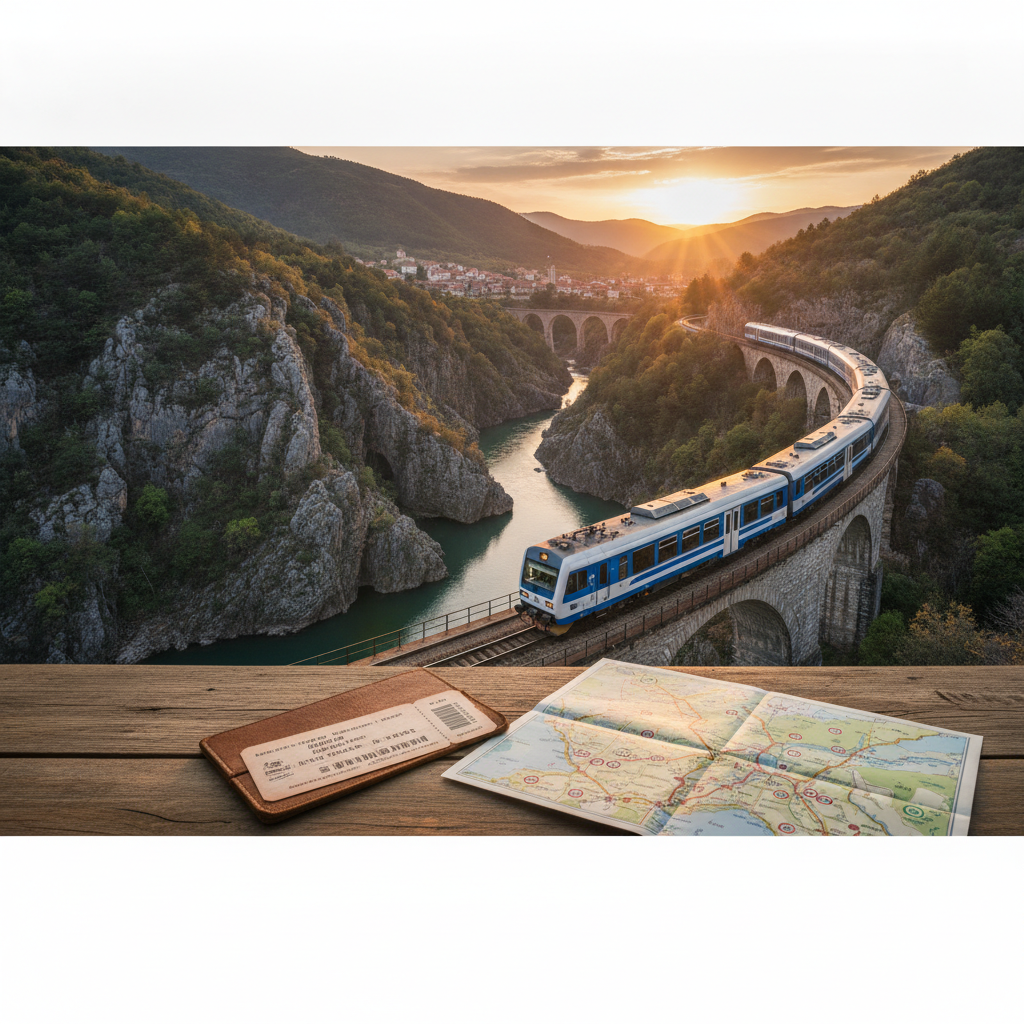
The Balkan Flexipass, issued through Eurail, covers rail travel across several countries including Serbia, North Macedonia, Montenegro, Bosnia and Herzegovina, Greece, Turkey, and Bulgaria. You buy a set number of travel days within a fixed window — typically five or ten days within one month — and activate each day as you use it. This isn't a point-to-point ticket system. You're essentially buying flexible access to a regional rail network, which suits the kind of loose, exploratory travel the Balkans reward. Check current participating countries before purchasing, since coverage has shifted over the years.
Start by Mapping the Routes Buses Ignore
Before you book anything, pull up seat61.com and cross-reference it with Google Maps to identify train routes that run where buses don't. The line from Belgrade down through Serbia to Bar on the Montenegrin coast is a prime example — it passes through gorges and highland terrain that no road trip replicates easily. Similarly, the route from Sofia into North Macedonia or toward the Greek border takes you through towns that rarely appear in travel content. These gaps in the tourist circuit aren't dead ends; they're the actual point. Rail routes in this region were often built to serve local communities, not tourism, which means they take you somewhere real.
Pick Up Your Pass After You Land, Not Before
You can purchase the Balkan Flexipass before departure through Eurail's website, but it's worth comparing that option against buying point-to-point tickets at station windows once you're on the ground. For shorter itineraries concentrated in one or two countries, individual tickets are sometimes cheaper. The pass pays off most when you're crossing multiple borders over several weeks or building a route with three or more overnight legs. Many Balkan train stations — including Belgrade Centar and Sofia Central Station — have reasonably organized ticket halls where English is spoken at least partially, especially at international windows.
Use Night Trains to Cut Accommodation Costs
Overnight train options in the Balkans are limited but real. The Belgrade-Bar line runs an overnight service with couchettes that, while not luxurious, make the ten-hour journey entirely practical as a sleep-and-travel move. Similarly, Sofia to Istanbul has historically operated overnight with sleeping car options. When your pass covers these legs, you're effectively converting what would be a hotel night into a travel night. This doesn't work for everyone, but if you're comfortable with compact berths and don't need perfect sleep, it changes the economics of a longer trip considerably.
Build In Flexibility at Small Stations
One of the real advantages of a rail pass over pre-booked bus tickets is that you can make decisions at the platform. If you roll into Niš on a warm afternoon and decide you want another half-day there instead of pressing on to Skopje, you simply don't board. No refund request, no rebooking fee. This kind of flexibility is underrated in slow travel. Small stations across Serbia, Bulgaria, and Montenegro often have basic cafés or market stalls nearby, and the towns themselves — places like Zlatibor in Serbia or Veles in North Macedonia — offer far more texture than their low profile in guidebooks would suggest.
Plan Around Infrequent Schedules Early
Balkan trains don't run with the frequency of Western European rail. On some routes, there's one departure per day, occasionally two. Missing a train doesn't just mean waiting an hour — it might mean waiting until tomorrow. Pull schedules from the national rail operator sites (Serbian Railways, BDŽ for Bulgaria, Macedonian Railways) at least a day in advance, and cross-check with the Eurail journey planner. Having a rough daily structure matters here more than it would in Germany or France. That said, delays are common, so building buffer time between train connections and onward plans is just basic self-preservation.
Combine Rail With Ferry for Adriatic Crossings
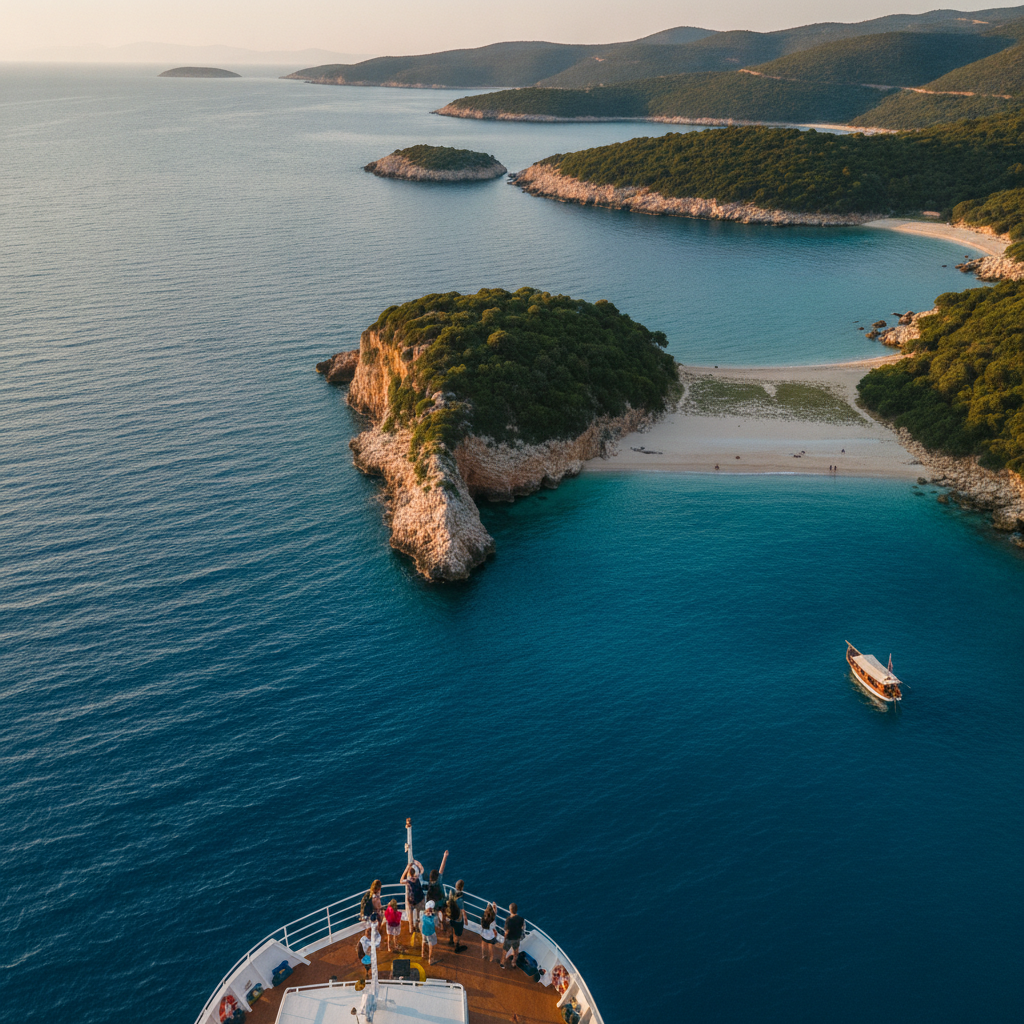
A rail pass doesn't cover water, but it pairs naturally with overnight ferry routes across the Adriatic. Getting yourself to Split or Dubrovnik by train — even if that involves a bus segment for the final coastal stretch — and then crossing to Bari or Ancona by ferry creates a genuinely satisfying loop through the western Balkans without flying. The journey itself becomes the architecture of the trip. Several travelers route from Belgrade by rail to Montenegro, cross by ferry to southern Italy, and return overland through Greece and Bulgaria, using their Balkan Flexipass days strategically across the full circuit.
Keep One or Two Pass Days in Reserve
It's tempting to use your travel days aggressively early in a trip, but holding one or two days in reserve gives you real utility. Weather delays, spontaneous detours, or a town that earns an extra night all become workable when you haven't burned through your allocation. The Balkan Flexipass window is generous — a month gives you real room to pace yourself. Treating those final pass days as an emergency buffer rather than a resource to spend down makes the whole trip feel less pressured.
Rail travel in the Balkans is genuinely getting more attention from independent travelers, and infrastructure investment in the region has picked up momentum. New connections and upgraded lines are expected to come online through the late 2020s as part of broader EU transit corridor projects, which means the rail network here is likely to become steadily more useful, not less. For now, it already offers something that buses simply can't — a slower, more grounded way to move through a region that rewards exactly that kind of attention.