Selling used outdoor gear online sounds straightforward until a perfectly good tent sits listed for three months without a single inquiry. Anyone who has tried to offload equipment through platforms like Gear Trade, REI Used, or Facebook Marketplace knows the experience can be either surprisingly quick or frustratingly slow, and the difference often has less to do with price than most sellers expect. Understanding what actually moves on these platforms — and what tends to stagnate — saves time, sets realistic expectations, and helps buyers know where the real finds are hiding.
What Types of Gear Move Fastest on Resale Platforms?
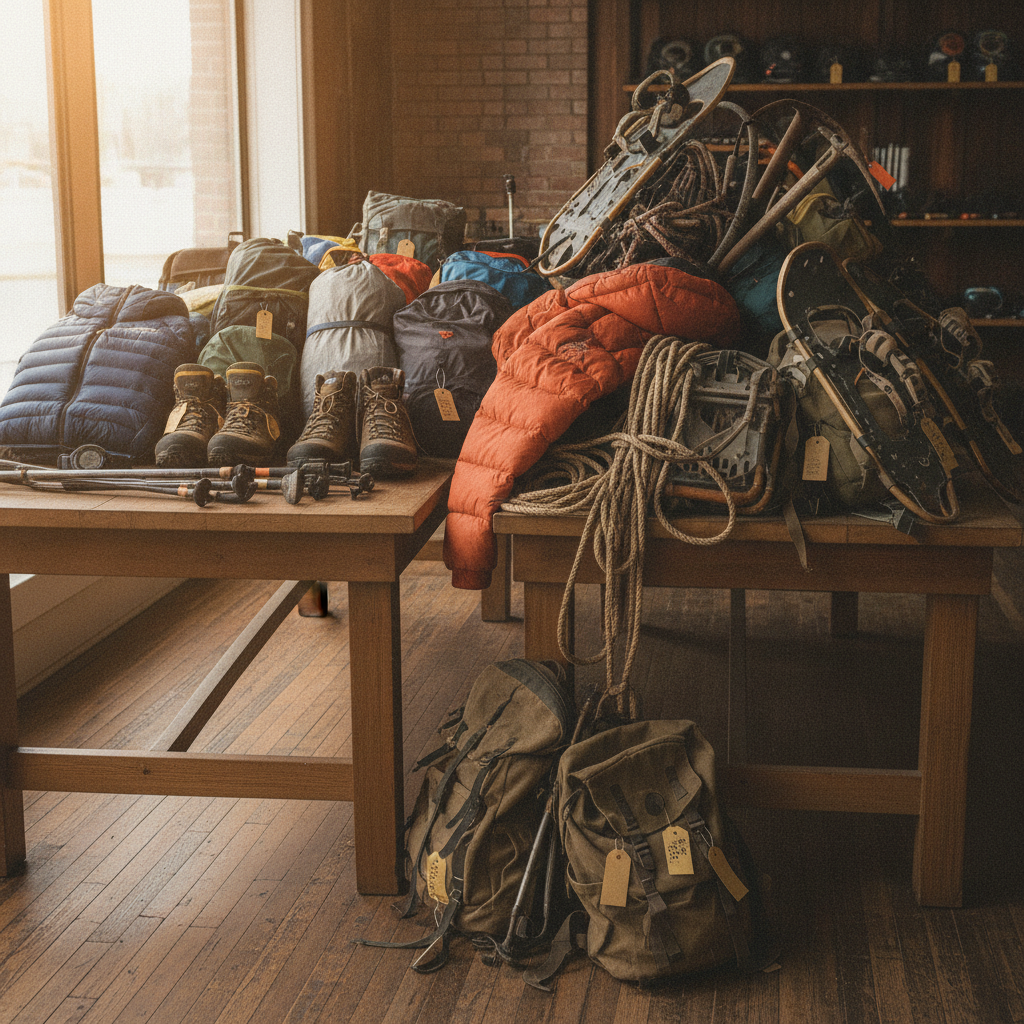
Certain categories of outdoor gear behave almost like currency on secondhand platforms. Backpacks from brands like Osprey and Gregory tend to sell within days when priced fairly, largely because buyers trust their construction and know sizing in advance. Trekking poles, headlamps, and lightweight sleeping bags with recognizable brand names also move quickly, especially when listed with clear photos and honest condition notes. These items have obvious, well-understood value — buyers don't need to handle them in person to feel confident. The resale market for this kind of gear is active and competitive, which means sellers need to price realistically rather than optimistically.
Why Do Hiking Boots and Footwear Tend to Struggle?
Footwear is one of the most consistently slow-moving categories across almost every outdoor gear resale platform. The reason isn't complicated: fit is deeply personal, and no amount of description fully compensates for not being able to try a boot on. Even lightly used trail runners or approach shoes from respected brands like Salomon or La Sportiva can sit unsold for weeks because buyers hesitate to commit to sizing blind. Worn insoles and compressed midsoles also raise questions about remaining support life that are hard to answer through photos alone. Sellers who do move footwear successfully tend to price it aggressively low or include extremely detailed measurements beyond just shoe size.
How Does Brand Recognition Affect Resale Speed?
Brand recognition plays an outsized role in how quickly secondhand gear finds a new owner. A used tent from Big Agnes or MSR will almost always outsell an equivalent tent from a lesser-known manufacturer, even if the construction quality is comparable or the unknown brand is newer. Buyers in the secondhand market are often risk-averse — they're already accepting the uncertainty of buying used, so they compensate by sticking to names they recognize and trust. This creates a reliable pattern: gear from premium, well-established brands tends to sell faster and hold value better, while mid-tier or budget brand gear often sits regardless of condition.
What Categories Are Chronically Oversupplied?
Some gear categories are so consistently oversupplied on resale platforms that even well-priced listings struggle to stand out. Large family tents are a prime example — they're bulky, expensive to ship, and often purchased impulsively before families realize car camping requires less gear than expected. Hydration bladders, foam sleeping pads, and entry-level cookstove sets also tend to accumulate in secondhand listings faster than buyers appear. Specialty technical gear — ice axes, avalanche safety equipment, and technical harnesses — faces a different problem: the pool of buyers is small, and safety-conscious shoppers are often reluctant to buy life-critical gear used from a stranger, no matter the condition.
How Does Listing Quality Change the Outcome?
The gap between a listing that sells in a week and one that lingers for months is often the listing itself rather than the item. Natural light photography, multiple angles, and honest descriptions of wear — scratches, broken buckles, faded fabric — dramatically increase buyer confidence. On platforms like Gear Trade and Poshmark's outdoor section, listings with detailed measurements, original purchase prices, and honest assessments of remaining life consistently outperform sparse or vague entries. Buyers shopping secondhand are already doing research; they respond to sellers who've done the same. A well-crafted listing signals that the seller is straightforward, which removes friction from the decision.
How Should You Approach Buying and Selling More Strategically?
If you're selling, lean into the categories that move. Lightweight sleep systems, technical layers from brands like Patagonia or Arc'teryx, and quality daypacks are your best bets for a reasonably quick sale. Price footwear low or consider donating it rather than waiting out a slow listing. If you're buying, the slow-moving categories are actually where the best value hides — a large tent that's been listed for eight weeks is likely to respond to a reasonable offer, and oversupplied categories often mean competitive pricing among motivated sellers. Focus your searches on gear where condition is easily assessed from photos: cookware, trekking accessories, and hard goods like trekking poles tend to translate well from screen to trail.
The secondhand outdoor gear market rewards patience and pattern recognition in equal measure. Knowing which items have an eager audience and which face an uphill battle doesn't just help sellers move inventory faster — it helps buyers identify where real value is available and where an item's price reflects genuine demand. Both sides of the transaction get better when expectations are grounded in how these platforms actually behave. Start by browsing a few active listings in your target category before posting or purchasing, and let the market itself be your guide.