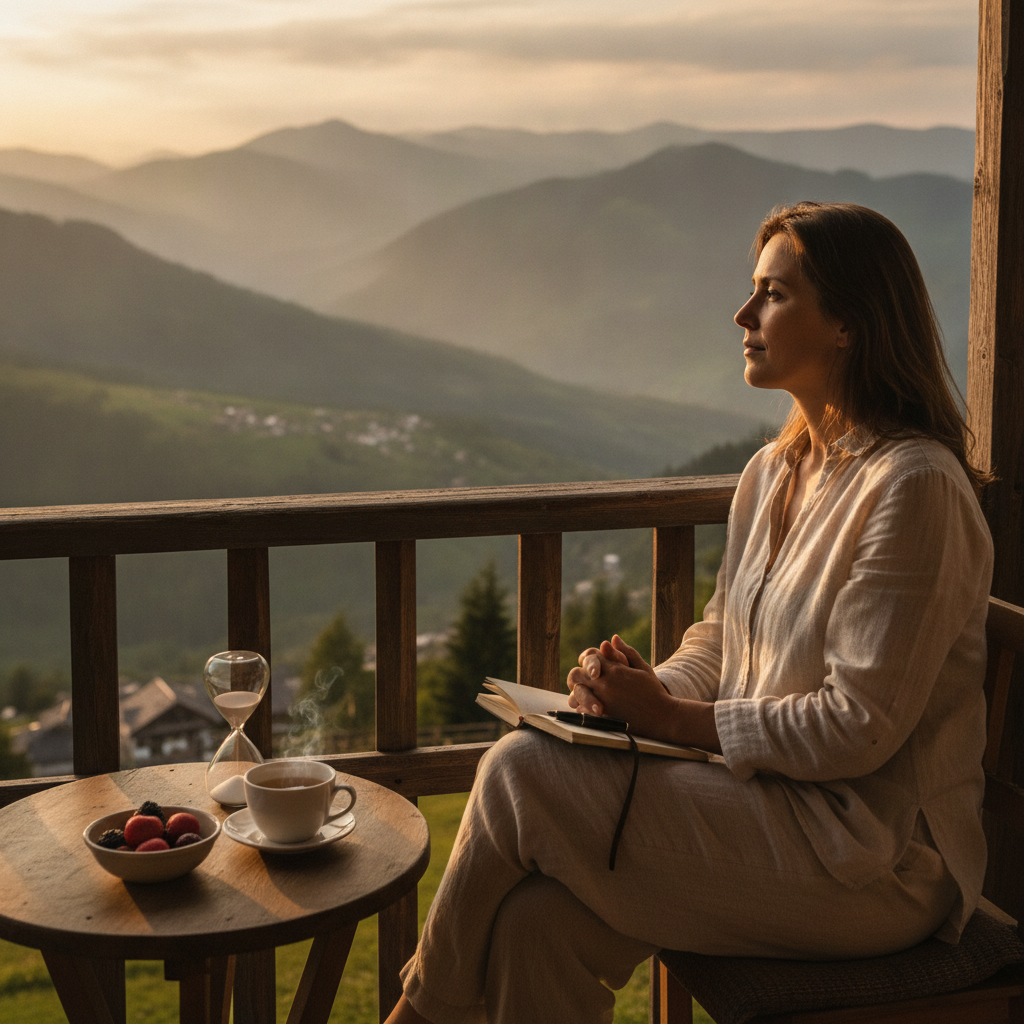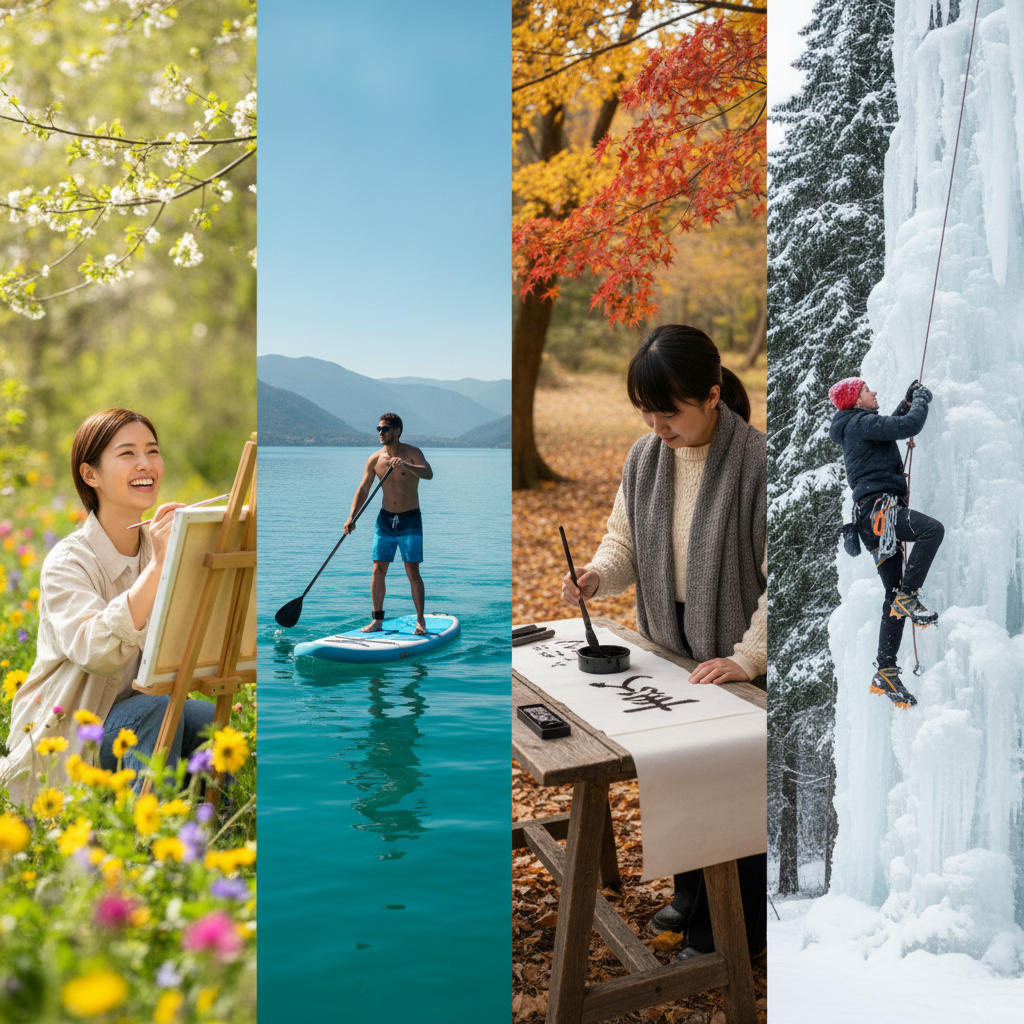
Human beings have always measured time by change — the cooling of air, the shift in light, the quiet turning of the natural world from one chapter to the next. Seasons are not merely meteorological events; they are psychological markers, embedded deeply in the way people perceive rhythm, effort, and transformation. It follows, then, that attaching the learning of a new skill to a seasonal cycle is not simply a productivity strategy but something closer to a philosophy of living — one that honors both the pace of growth and the dignity of genuine effort.
The Limits of Pure Goal-Setting
For decades, self-improvement culture has been dominated by the framework of goal-setting — SMART objectives, quarterly reviews, vision boards pinned above desks in home offices from Portland to Prague. These tools carry real value, but they carry a flaw as well: they measure outcomes without honoring the texture of the process. When a goal is achieved, the satisfaction is immediate and then, almost always, followed by a quiet deflation. When a goal is missed, the experience can feel like personal failure rather than an invitation to recalibrate. Skills, unlike goals, are not binary. They don't exist in a state of done or not done. They accumulate, deepen, and reveal new layers of complexity the more closely one examines them — which is precisely what makes them a more sustaining source of personal progress.
Goal-setting also tends to narrow attention toward a fixed finish line, while skill-building naturally broadens curiosity. Someone learning basic Japanese calligraphy through an app like Duolingo or a beginner course at a local cultural center doesn't simply learn to draw characters — they begin to notice the philosophy behind negative space, the patience embedded in repetitive practice, the way a brush held loosely produces a more fluid line than one gripped with effort. The skill opens outward into culture, history, aesthetics, and self-awareness in ways no quarterly target can replicate.
Why Seasons Create the Right Container
A season lasts approximately thirteen weeks — long enough to move from clumsiness to competence, short enough to prevent the creeping inertia that stalls long-term projects. This window is well-suited to the learning curve of most practical skills. Whether the pursuit is sourdough fermentation, oil pastel sketching, conversational Spanish using platforms like Pimsleur, intermediate home carpentry, or the fundamentals of urban foraging, thirteen weeks provides sufficient time to experience the full arc: the initial frustration, the first small breakthrough, the plateau, and then the quieter, more satisfying phase of consolidation.
There's also something psychologically grounding about anchoring learning to the natural calendar. Beginning a skill in early autumn and completing the cycle before winter arrives connects inner growth to outer change in a way that feels organic rather than manufactured. Many cultures have long understood this intuitively. The Japanese concept of *shun* — the peak season of a food or natural phenomenon — reflects a cultural attentiveness to timing, to the idea that certain things are best experienced or pursued within a particular window. Applying that same sensibility to personal learning acknowledges that humans, like seasons, are not static.
The Accumulation Effect Over Time
Four skills per year. Across five years, that represents twenty distinct areas of competence — not mastery, but genuine, embodied familiarity. This accumulation produces something that goal-setting rarely does: a layered identity. A person who has spent time with woodworking, fermentation, landscape photography, and basic bookbinding carries those experiences in the way they solve problems, observe the world, and speak about what interests them. Skills leave residue in ways that completed tasks do not.
The cultural term *tsundoku*, a Japanese expression describing the habit of buying books and letting them accumulate unread, captures a recognizable human tendency to collect intentions without acting on them. The seasonal skill practice is, in a sense, the antidote to tsundoku — it transforms accumulation from passive to active, from shelf-filling to life-filling. Each season becomes a distinct memory, associated not just with weather but with a particular texture of effort and discovery. Autumn becomes the season of learning to read a nautical chart; spring becomes the year of understanding natural dyeing. Time becomes annotated.
Choosing Skills That Genuinely Interest You
The framework only sustains itself when the skills chosen are genuinely interesting rather than aspirationally impressive. The temptation in any self-improvement context is to select what looks good described at a dinner table rather than what actually produces a sense of aliveness during the learning process. A skill chosen for external approval tends to stall around week four, when the novelty has worn off and the discipline required to continue has not yet been internalized. A skill chosen from authentic curiosity carries its own momentum — the learner returns to it not from obligation but from the quiet pull of wanting to know more.
This is worth sitting with before each seasonal transition. What has been quietly interesting for months, noticed but set aside? What subject surfaces repeatedly in reading, in conversation, in the things one slows down to observe? These are reliable indicators. Platforms like Skillshare and MasterClass offer entry points across an enormous range, but the question of what to pursue is always more personal than any algorithm can resolve.
Building the Practice Into Seasonal Rhythms
Once a skill is chosen, the practice integrates most naturally when it's treated as a ritual rather than a task. Fifteen to thirty minutes of focused engagement, four or five times per week, compounds meaningfully across thirteen weeks without demanding dramatic restructuring of daily life. The key is consistency over intensity — the learner who returns to a skill steadily and without drama will outpace the one who devotes occasional long sessions separated by stretches of avoidance.
As each season ends, a brief period of reflection serves the process well. Not a performance review, but a quiet acknowledgment: what was learned, what surprised, what remains interesting enough to revisit. Over time, you begin to see your own patterns — the kinds of knowledge that energize you, the learning conditions that suit you best, the skills that opened unexpected doors. This accumulating self-knowledge is, ultimately, the deepest return on the practice. The skills themselves matter, but what they collectively reveal about the person doing the learning matters more.
At the heart of the seasonal skill practice is the same truth embedded in that original observation about time and change: growth is most meaningful when it moves in rhythm with life rather than in opposition to it. Goal-setting asks a person to impose shape on the future; seasonal learning asks them to be present to the shape that's already there, waiting to be filled.