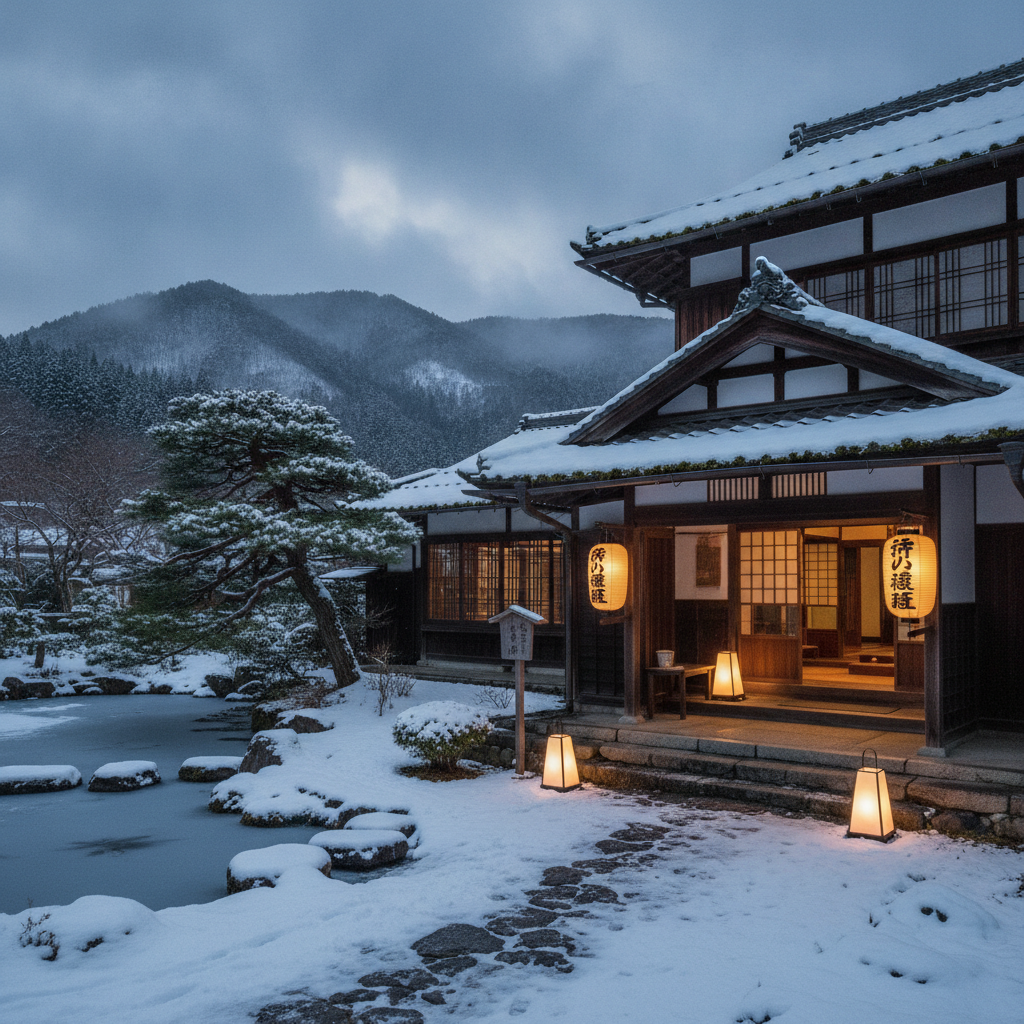
Stepping into a traditional Japanese ryokan feels like crossing into another world — one built on quiet ritual, seasonal food, and a level of hospitality that has no real Western equivalent. For travelers who don't speak Japanese, that same magic can also feel quietly terrifying. The fear of getting something wrong, of missing a cue, of accidentally offending a host who's going too polite to say so — it's a real and understandable concern. The good news is that rural ryokan stays are far more manageable than they appear, and the right preparation turns anxiety into one of the most memorable experiences a trip to Japan can offer.
Book Through a Platform That Bridges the Gap
Your first line of defense is choosing the right booking channel. Platforms like Jalan and Rakuten Travel are Japan's dominant domestic booking sites, and while they're primarily in Japanese, they're increasingly accessible through browser translation tools. A better starting point for non-Japanese speakers is Relux or the English-facing sections of Japan Ryokan & Hotel Association properties — both offer detailed communication channels between guests and hosts before arrival. Booking directly through a platform that supports pre-arrival messaging lets you introduce yourself and flag any dietary restrictions or arrival time before you ever set foot through the sliding door.
Send a Simple Pre-Arrival Message in Japanese
You don't need to speak Japanese to write a few key phrases. Tools like DeepL produce far more natural Japanese output than older machine translation, and a short, polite message sent before your stay signals effort and respect — both of which matter enormously in Japanese hospitality culture. Keep the message simple: your arrival time, any food allergies, and a note that you don't speak Japanese but are looking forward to your stay. Ryokan hosts in rural areas, particularly in regions like the Kii Peninsula or Yamagata Prefecture, receive fewer international guests and will genuinely appreciate the gesture.
Download the Right Offline Translation Tools
Cell service in Japan's countryside is often patchy, which makes offline capability essential. Google Translate's offline Japanese language pack works well for reading signs and menus, but the camera translation feature is where it earns its place — point it at a menu, a door label, or a laminated instruction sheet and it renders the text into English in real time. Separately, downloading a phrasebook app like Imiwa or keeping a curated list of ryokan-specific phrases saved to your phone takes only twenty minutes of preparation and covers the vast majority of situations you'll actually encounter.
Learn the Unspoken Rules of Ryokan Etiquette
A ryokan operates on a set of understood behaviors that no one will explain to you because, for Japanese guests, they're simply obvious. Shoes come off at the entrance and stay off. The yukata robe left in your room is meant to be worn to dinner, to the onsen, and even wandering the corridors — wearing it isn't a faux pas, it's expected. Bathing in the onsen follows a specific order: rinse thoroughly at the shower stations before entering the shared bath. Meals are typically served at a fixed time, often in your room, and arriving late without notice is genuinely disruptive. Understanding these rhythms in advance removes the most common sources of accidental awkwardness.
Use Visual Communication Confidently
Pointing, gesturing, and showing your phone screen are not rude in this context — they're practical and your hosts will be entirely comfortable with them. If you need to communicate something during the stay, opening a translation app and showing the screen to staff is a completely normal interaction at ryokan that see any international guests at all. Carrying a small printed card with your key information — allergies, your home country, a note in Japanese explaining you're a non-speaker — can smooth over any moment of confusion quickly. Prepared cards like this can be created through services like iTranslate or simply formatted in Word and printed before departure.
Understand What's Included and What Isn't
Rural ryokan pricing typically bundles accommodation with two meals — kaiseki dinner and a morning meal — and this is almost always the standard arrangement rather than an optional add-on. What varies is whether the meals are served in your room or a communal dining area, whether the onsen is private or shared, and whether any extras like sake or additional food courses carry a separate cost. Clarifying these details before arrival, ideally through your booking platform's message system, prevents the specific discomfort of not understanding a bill at checkout. Most ryokan will accommodate a printed or screen-shown question about pricing with patience and care.
Embrace the Structured Rhythm of the Stay
One of the most useful things to know about a ryokan stay is that very little is actually left ambiguous. Dinner happens at a set hour. Breakfast follows a set hour. The onsen has posted opening and closing times. Your room will be converted from a dining space to a sleeping space while you're in the bath, and the routine has been the same for decades. Leaning into that structure, rather than expecting the flexible informality of a Western hotel, reframes the whole experience. The structure isn't a constraint — it's the point. Once you stop trying to customize the stay and simply move through its rhythm, the language barrier becomes almost irrelevant.
Plan Your Surrounding Days With Care
The ryokan itself tends to be the easy part once you're inside. The logistical challenge is often getting there. Rural train stations in areas like the Iya Valley in Tokushima Prefecture or the Noto Peninsula don't always have English signage or staff who speak English. Downloading Hyperdia or using the Jorudan app for offline train schedules, and screenshot-saving your route in both English and Japanese, removes most of the uncertainty. Confirming your ryokan's address in Japanese script — not romaji — before you travel means you can show a taxi driver or station attendant exactly where you need to go without any conversation at all.
Rural ryokan stays reward preparation, and the preparation itself is genuinely manageable. You don't need language fluency to experience Japanese hospitality at its most authentic — you need a few translated phrases, a couple of downloaded apps, and a willingness to follow the rhythm of a place that has been welcoming guests for generations. Take one small step before your trip: draft that pre-arrival message in DeepL, save the offline maps, print the card. The rest tends to take care of itself once you're there.