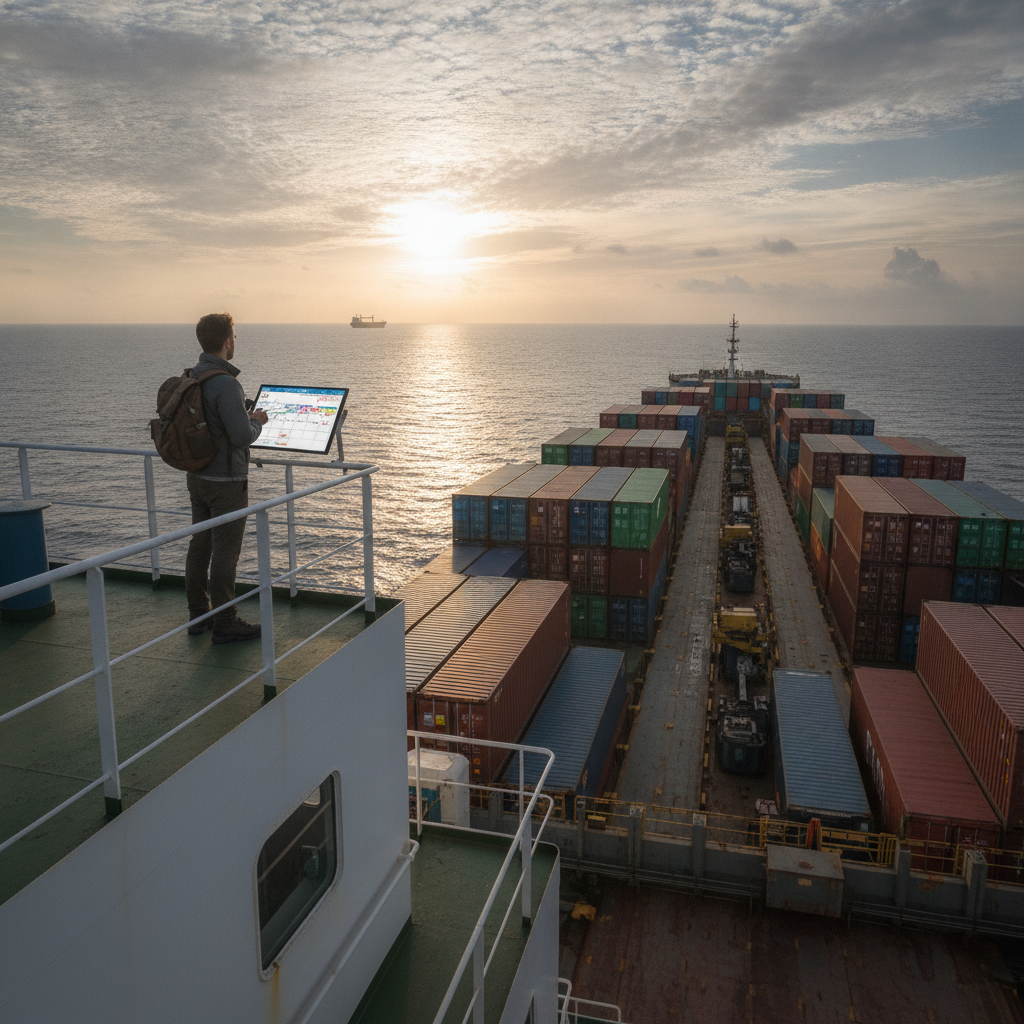
Crossing an ocean by cargo ship is one of travel's most quietly radical choices — slow, unhurried, and almost entirely off the radar of mainstream tourism. For travelers who want to trade the airport terminal for an open horizon, freighter travel offers something genuinely rare: days of uninterrupted sea time, a working vessel as your temporary home, and the particular satisfaction of arriving somewhere having actually crossed the water to get there. Booking a berth, however, requires more preparation than a standard flight or cruise. The process is deliberate, and that's part of the point.
Understand What Cargo Ship Travel Actually Is
Freighter voyages carry paying passengers aboard commercial cargo ships — vessels designed primarily to move goods, not tourists. Most ships accommodate between two and twelve passengers, and the experience is nothing like a cruise. Meals are typically shared with officers, cabins are functional rather than luxurious, and entertainment means books, sea air, and conversation. Major shipping routes cross the Atlantic, Pacific, and from Europe to Australia or South America. Companies like CMA CGM and Hapag-Lloyd operate some of the largest fleets with passenger berths, though availability varies widely by route and season.
Work Through a Specialist Freight Travel Agency
The most reliable way to book a cargo ship berth is through a specialist agency rather than contacting shipping lines directly. Agencies like Strand Voyages in the UK or Freighter Expeditions in North America maintain relationships with multiple carriers and have up-to-date knowledge of which routes currently accept passengers. Shipping lines frequently change their passenger policies, and an agency can filter options to match your preferred departure port, destination, and timeline. They also handle the paperwork and can advise on what to expect before you commit. Expect to pay a booking fee, which is standard practice.
Build in Serious Scheduling Flexibility
Cargo ships operate on commercial schedules, not passenger ones. Departure dates shift frequently — sometimes by days, occasionally by weeks — depending on cargo loading, port delays, and weather. Anyone booking a freighter voyage needs to hold their calendar loosely. A rigid return flight booked in advance is a liability. Many experienced freighter travelers book one-way tickets and arrange their onward travel only after confirming an approximate arrival window with their agency. The Atlantic crossing from Europe to the Caribbean typically takes around two weeks, and Pacific crossings can run considerably longer.
Check Passenger Health Requirements Early
Shipping companies carry passengers as a commercial courtesy, and they take health seriously. Most lines require a medical certificate confirming fitness to travel, signed by a licensed physician within a set window before departure — often 30 days. Age limits are common, with many carriers declining to accept passengers over 79 or 80 years old. Some conditions that would be unremarkable on a land-based holiday become complications at sea, where medical care is limited to whatever the ship's officer can provide. Request the specific health forms from your agency early, since completing them can take longer than expected.
Anticipate the True Cost of the Passage
Freighter travel is not as inexpensive as many people assume. Daily rates per passenger generally run in the range of what a modest hotel room costs, multiplied across a two-week or longer crossing. Meals are included, and there are no onboard casinos or shore excursion packages to inflate the bill, but the base fare for a transatlantic crossing is a meaningful expense. The cost-per-day comparison to flying is rarely favorable in financial terms alone. What travelers are paying for is time, solitude, and a fundamentally different relationship with distance — and for the right person, that trade-off is entirely worth making.
Pack for Life at Sea, Not a Resort
Packing for a freighter voyage calls for a different mindset than a beach holiday. Cabins are compact and functional, storage is limited, and the dress code at the officer's table is typically smart-casual at dinner. Layers matter: sea temperatures shift significantly even on warm-weather routes, and the deck can be cold and windy regardless of latitude. Entertainment is self-supplied — bring more books than you think you'll need, a journal, downloaded films, and anything that supports long stretches of quiet. Some travelers bring small instruments or art supplies. The days are genuinely long, and that is the gift.
Prepare Your Documents Well in Advance
Beyond the medical certificate, documentation requirements for freighter travel can be more involved than a standard flight. Depending on your route, you may need visas for ports of call even if you don't intend to disembark, since some countries require documentation for anyone aboard a vessel entering their waters. Your agency will provide a checklist, but travelers should allow at least three months between booking and departure to handle visa applications, medical appointments, and any required travel insurance that specifically covers sea voyages. Standard travel policies often exclude cargo ship travel, so verify the fine print carefully.
Set Realistic Expectations for the Experience
Freighter travel rewards a particular temperament. The rhythm is slow, the company is small, and there are stretches — particularly mid-ocean — where nothing visible changes for days. Travelers who thrive tend to be genuinely comfortable with solitude and self-directed time. Those expecting entertainment or structured activity tend to find the experience long in the wrong way. Reading accounts from previous passengers, particularly those found through forums like the Freighter Travel Network, gives an honest preview of what daily life looks like aboard. Going in with accurate expectations makes the crossing feel like exactly what it is: a rare and unhurried passage.
Freighter travel as a category is seeing renewed interest among slow travel advocates and long-term travelers looking for alternatives to aviation. Shipping lines are gradually updating their passenger policies, and more routes are opening to passengers than in previous years. As awareness grows, booking windows are tightening — particularly on popular Atlantic routes — which makes early planning more important than ever. For those willing to commit to the preparation, an ocean crossing by cargo ship remains one of the most quietly extraordinary journeys available to the independent traveler.