Moving into your first apartment or rental home is an exciting milestone. The sense of independence, freedom, and personal space is exhilarating. However, with this newfound freedom comes responsibility—especially when it comes to safety and emergency preparedness. First-time renters often underestimate the importance of being prepared for unexpected situations, but taking the time to plan ahead can save lives, prevent property damage, and give you peace of mind.
Understanding Your Space and Its Risks
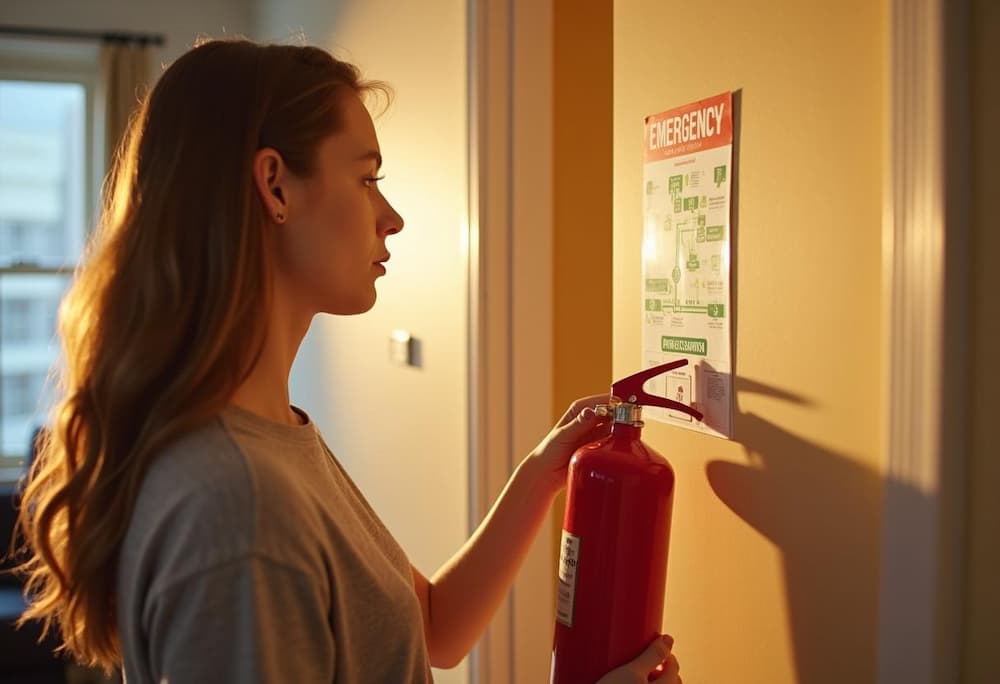
The first step in emergency preparedness is understanding the environment you live in. Every building has unique risks depending on its location, age, and design. Older apartments may have outdated electrical systems or fire hazards, while newer buildings might have stricter safety protocols but limited escape routes in emergencies. Start by identifying key safety features in your home, such as smoke detectors, carbon monoxide alarms, fire extinguishers, and emergency exits. Knowing where these are located and how they work is essential for quick and effective responses in an emergency.
Take note of potential hazards specific to your area. Renters in regions prone to natural disasters—such as earthquakes, hurricanes, floods, or tornadoes—need to develop a tailored preparedness plan. This could include securing heavy furniture, stocking up on emergency supplies, or learning evacuation routes. Being aware of environmental risks allows you to implement preventive measures before disaster strikes, rather than reacting in the moment when stress and fear can cloud judgment.
Assembling an Emergency Kit
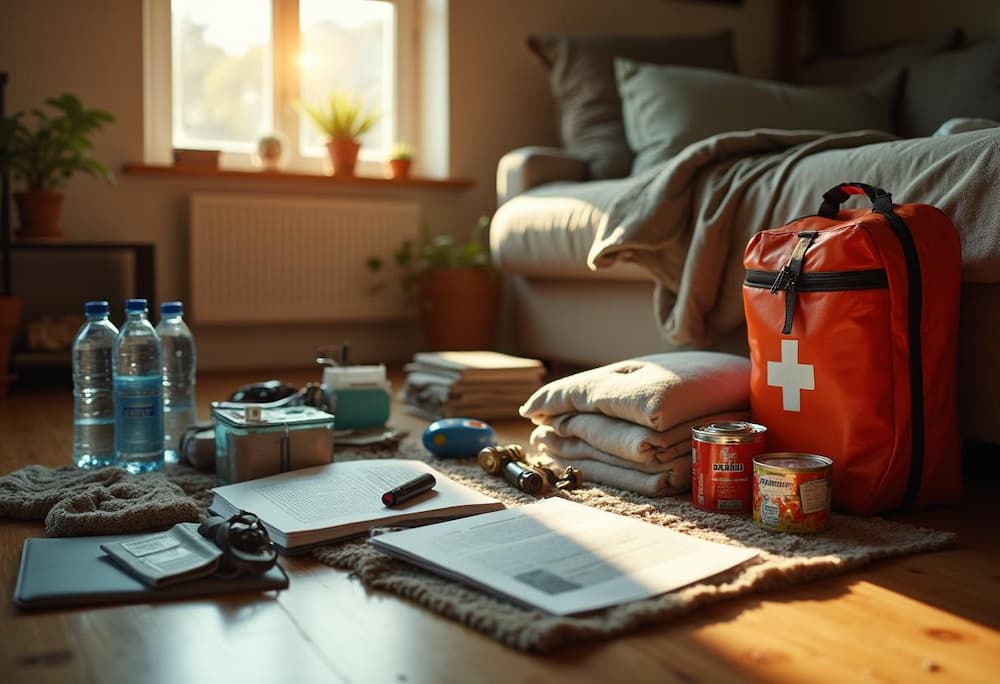
One of the most important aspects of preparedness is having a well-stocked emergency kit. This doesn’t need to be overly complicated or expensive, but it should cover basic survival needs for at least 72 hours. Key items include water, non-perishable food, a first aid kit, flashlights with extra batteries, blankets, and a battery-powered radio. Additionally, consider including essential documents such as identification, rental agreements, insurance papers, and a small amount of cash.
For renters with pets, include necessary supplies for your animals, like food, water, leashes, and carriers. It’s also wise to have personal hygiene items, prescription medications, and a few comfort items to help reduce stress during emergencies. Storing your emergency kit in an easily accessible location ensures you can grab it quickly if you need to evacuate or take shelter.
Creating a Safety Plan
Beyond having supplies, a clear safety plan is critical. Start by mapping out escape routes from your apartment, noting all possible exits, including windows if necessary. Practice drills can be surprisingly effective; running through a fire escape plan or an evacuation scenario helps reinforce muscle memory and ensures you react calmly under pressure.
Establishing a communication plan is equally important. Know how to contact local emergency services, neighbors, and family members. Sharing your plan with those you live with—or with nearby friends and family—ensures that someone will know your whereabouts if disaster strikes. Make sure your phone is charged, and consider keeping a portable power bank handy for extended outages.
Fire Safety and Prevention
Fire is one of the most common hazards in rental properties, and prevention is far better than reaction. Check that smoke detectors are installed and functional, testing them monthly and replacing batteries as needed. Keep fire extinguishers accessible in the kitchen and near other high-risk areas. Avoid overloading electrical outlets, unplug appliances when not in use, and be cautious with candles or space heaters.
In the event of a fire, remember the simple rule: get out, stay out, and call 911. Never attempt to fight a large or rapidly spreading fire, and always prioritize getting to safety. Knowing multiple exit routes and keeping doors closed while evacuating can help contain the fire and prevent smoke inhalation.
Dealing With Natural Disasters
Depending on where you live, natural disasters may present a significant risk. Renters in coastal regions may need to plan for hurricanes, while those in earthquake-prone areas should learn how to “drop, cover, and hold on” during tremors. Flood-prone areas require awareness of local evacuation routes and the location of higher ground. Preparing in advance, understanding warning signals, and keeping an emergency kit tailored to the specific disaster can make all the difference.
Additionally, consider renter’s insurance that covers natural disasters, theft, and property damage. While it may seem like an extra expense, the protection and peace of mind it provides is invaluable for first-time renters navigating emergencies on their own.
Security Measures
Emergency preparedness also includes proactive measures for personal security. Lock all doors and windows, invest in a sturdy door lock or deadbolt if allowed, and consider security cameras or motion sensors for added protection. Be aware of your building’s security features, such as entry systems, intercoms, or on-site personnel, and use them to your advantage.
It’s important to be cautious about sharing personal information or travel plans publicly, as oversharing can make you vulnerable to theft or scams. Simple precautions like keeping valuables out of sight and using timers for lights while away can significantly enhance your safety.
Mental Preparedness
Preparedness isn’t just about physical tools—it’s also about mindset. Emergencies can be stressful, especially for someone living alone for the first time. Developing a calm and practical approach can help you respond effectively under pressure. Familiarize yourself with your emergency kit, rehearse safety procedures, and educate yourself about common hazards. Confidence and awareness are as important as any physical precaution.
Being mentally prepared also means knowing when to seek help. First-time renters should have a support network in place, including neighbors, friends, family, or local community resources, so they are never entirely isolated in a crisis.
Emergency preparedness is an essential part of independent living, and it begins with understanding your environment, assembling a comprehensive emergency kit, creating a safety plan, and taking proactive steps to prevent accidents or injuries. By focusing on both practical tools and mental readiness, first-time renters can face unexpected situations with confidence, ensuring peace of mind while enjoying the independence of their new home. Emergencies may be unpredictable, but with preparation, you can protect yourself, your property, and your well-being in any situation.