Creating a Comfortable and Functional Living Space on Your Own
Charlotte Davis
2025-12-19
6 min read
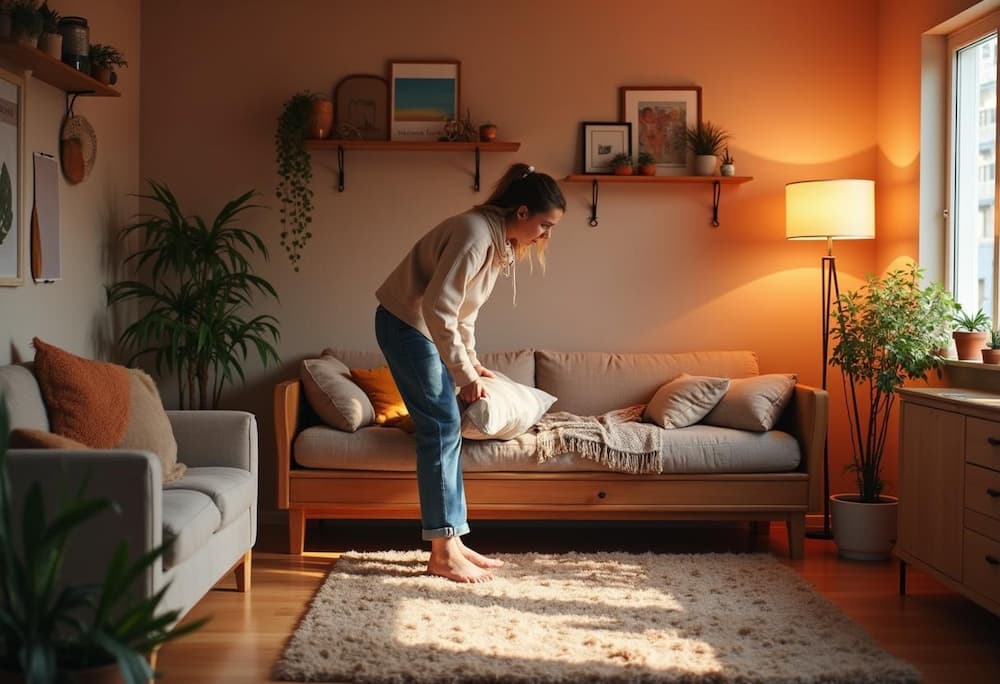
Moving out and living on your own for the first time is both exciting and daunting. Suddenly, you’re responsible for every aspect of your environment, from furniture placement to daily maintenance. Creating a living space that is both comfortable and functional is key to making independent living not just manageable, but enjoyable. A well-designed home supports productivity, relaxation, and well-being while reflecting your personal style. Whether you’re moving into your first apartment, a small studio, or even a shared space where privacy is limited, investing time and thought into your living environment pays off in everyday life.
Understanding Your Space and Needs
The first step in creating a functional living space is understanding the layout and what you truly need. Take a careful look at the square footage, storage options, natural light, and traffic flow. Small spaces, for example, require creative solutions to avoid clutter and maintain a sense of openness. Start by identifying your daily routines: where you work, sleep, cook, and relax. Knowing how you’ll use each area allows you to prioritize furniture, storage, and design choices that enhance functionality rather than simply filling the room.
It’s also important to consider flexibility. Your first apartment or living situation may not be permanent, so invest in pieces that are adaptable. For instance, a foldable dining table can double as a workspace, and modular shelving can be rearranged as your needs evolve. Functional furniture and multipurpose items are invaluable when you’re balancing limited space and a variety of activities.
Balancing Comfort and Practicality
Comfort is just as important as functionality. A living space should feel welcoming and relaxing, not like a sterile office or showroom. Start with basics: a supportive bed or mattress, comfortable seating, and adequate lighting. These elements impact not only your physical comfort but also your mental well-being. Investing in a high-quality mattress or a good desk chair pays off in energy levels, focus, and overall mood.
Lighting, in particular, is often overlooked but critical. Natural light boosts mood and productivity, while layered artificial lighting—overhead lights, task lamps, and ambient lighting—ensures you can tailor the space to different activities. Small touches like warm-toned bulbs or adjustable lighting can make even a minimalist space feel cozy and inviting.
Smart Storage Solutions
One of the biggest challenges of living alone, especially in a first apartment, is storage. Clutter can quickly overwhelm a small space, making it feel chaotic rather than functional. Maximizing storage solutions is essential. Think vertically: tall shelves, wall-mounted hooks, and hanging organizers can free up floor space while keeping essentials within reach. Under-bed storage, stackable bins, and multi-functional furniture with hidden compartments also help you maintain order without sacrificing aesthetics.
Creating designated zones for items is another key to functionality. For instance, keep cleaning supplies in one area, personal documents in another, and kitchen essentials in clearly defined spaces. Labeling storage containers, even simply, can save time and prevent stress during daily routines. A well-organized environment allows you to focus on work, relaxation, or hobbies without being distracted by disorder.
Personalization: Making the Space Yours
While function and comfort are critical, personal touches make a house feel like a home. Decorating with items that reflect your personality—photos, art, textiles, and small décor pieces—helps create a space that inspires and comforts you. Even in a minimalist or compact living space, personal accents can make a significant difference.
When personalizing, think about balance. Too many decorative items can interfere with functionality, so choose pieces that serve multiple purposes when possible. For example, decorative baskets can store blankets, while framed artwork can double as a mood-lifting focal point. Plants are another versatile option, adding both aesthetic appeal and improved air quality, which supports both comfort and health.
Functional Kitchen and Bathroom Design
The kitchen and bathroom are often overlooked in first-time living spaces but are central to functionality. Keeping countertops clear, investing in practical storage, and choosing multi-use tools can make daily routines smoother. Small appliances, stackable dishes, and compact organizational tools allow you to prepare meals efficiently without clutter. Similarly, in the bathroom, organizers for toiletries, towel racks, and shower caddies can keep your space neat and functional.
Even minor adjustments, like labeling pantry items, using over-the-door hooks, or creating zones for cleaning supplies, can dramatically improve efficiency. A functional kitchen and bathroom reduce stress in daily life and make living alone feel manageable rather than overwhelming.
Creating Zones for Work, Relaxation, and Socializing
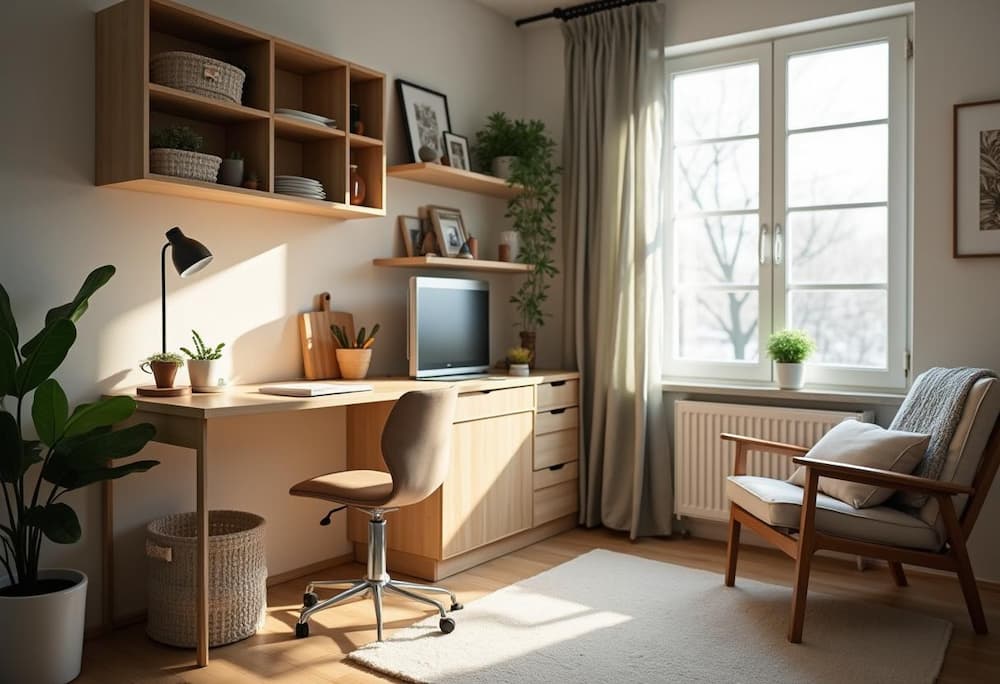
Modern living often requires juggling multiple roles in one space. Establishing distinct zones for work, relaxation, and socializing—even in a small apartment—enhances both comfort and productivity. A dedicated desk area, even if compact, signals focus for work or study, while a cozy seating area encourages downtime. If space allows, a small dining nook or flexible seating can facilitate entertaining guests without cluttering the living area.
Flexibility is key: foldable furniture, portable tables, or lightweight room dividers allow you to adapt the space for different needs. By clearly defining areas, your living space supports your lifestyle rather than forcing you to compromise between functionality and comfort.
Maintenance and Routine
Finally, a comfortable and functional living space requires ongoing maintenance. Establishing routines for cleaning, organizing, and small repairs ensures the environment remains practical and welcoming. Regularly decluttering prevents accumulation of unnecessary items, and simple habits like making your bed, wiping down surfaces, and tidying storage areas maintain order effortlessly. Living alone provides freedom but also requires consistency to keep your space enjoyable.
Creating a comfortable and functional living space on your own is about balancing practicality, comfort, and personal expression. By understanding your space, investing in versatile furniture, maximizing storage, and personalizing your environment, you can design a home that supports your lifestyle. Whether it’s creating zones for work and relaxation, organizing your kitchen and bathroom for efficiency, or maintaining routines to prevent clutter, each choice contributes to a space that enhances your independence and well-being. Living alone for the first time is a learning experience, and designing a functional, inviting environment ensures that experience is both rewarding and sustainable.