
Moving out on your own for the first time is a milestone full of excitement and independence. You get to make your own rules, decorate your space as you please, and live life on your own terms. But with freedom comes responsibility. One of the most important aspects of thriving in solo living is building healthy habits that support your physical, mental, and emotional well-being. Without roommates or family to keep routines in check, it’s up to you to create structure and prioritize self-care. Developing these habits early can help you feel more grounded, confident, and capable in your new environment.
Prioritize Daily Routines
One of the first steps to maintaining a healthy lifestyle while living alone is establishing consistent daily routines. Waking up and going to bed at similar times, scheduling meals, and setting aside time for exercise are small actions that create structure and stability. Without routines, it’s easy to fall into erratic patterns, such as late-night snacking, inconsistent sleep, or skipping meals. Even something as simple as setting a morning ritual—like making your bed, drinking water, or journaling for a few minutes—can set the tone for a productive day and reinforce positive habits.
Routines also extend to chores and home maintenance. Creating a weekly schedule for cleaning, grocery shopping, and laundry prevents small tasks from piling up and reduces stress. While it may not seem like a traditional “health habit,” keeping your living space organized directly impacts mental clarity and emotional well-being.
Nutrition and Meal Planning
Living alone often presents challenges when it comes to eating well. Without guidance or shared meals, it’s tempting to rely on takeout, frozen meals, or unhealthy snacks. Building healthy eating habits starts with intentional planning. Simple strategies include creating a weekly meal plan, prepping ingredients in advance, and keeping easy, nutritious snacks on hand. Stocking your kitchen with fresh fruits, vegetables, whole grains, and proteins ensures you have options that support sustained energy and good health.
Cooking for yourself also gives you control over portion sizes and ingredients, which can lead to better long-term health outcomes. Experimenting with new recipes not only adds variety but also makes meal preparation more enjoyable. Over time, these small, intentional choices build a foundation for lifelong healthy eating habits.
Incorporate Regular Physical Activity
Exercise is a cornerstone of a healthy lifestyle, and it’s particularly important when living alone, as it can help regulate mood, energy levels, and sleep patterns. You don’t need a gym membership to stay active. Bodyweight exercises like squats, lunges, push-ups, or planks can be done in a small living space. If you enjoy the outdoors, walking, jogging, biking, or even yoga in a park can be both rejuvenating and physically beneficial.
Consistency matters more than intensity. Even short, daily bouts of activity—ten minutes of stretching in the morning or a brisk evening walk—can have a cumulative positive impact on your health. Building movement into your daily routine also helps combat sedentary behavior, which is common when living solo and working from home.
Mental Health Practices
Living alone can be liberating, but it can also feel isolating at times. Developing habits to support mental and emotional well-being is just as important as physical health. Practices such as journaling, meditation, or mindfulness exercises help manage stress, increase self-awareness, and foster emotional resilience.
Connecting with others regularly, even virtually, is crucial. Scheduling weekly calls with family or friends, joining social groups or classes, and participating in community activities prevents loneliness and provides emotional support. Setting aside time for hobbies or creative outlets also nourishes your mental health, providing a sense of accomplishment and fulfillment beyond work or chores.
Sleep and Recovery
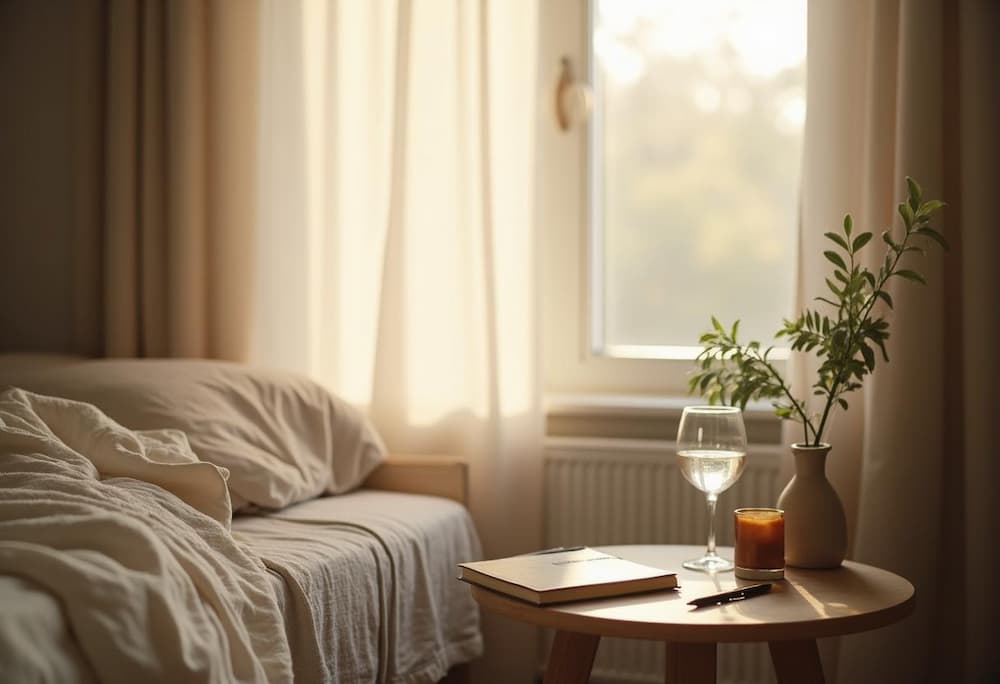
Sleep is one of the most underrated aspects of living a healthy lifestyle. When you’re living solo, it’s easy to let sleep patterns slide—staying up late, scrolling on your phone, or working irregular hours. Prioritizing consistent sleep schedules, creating a comfortable sleep environment, and limiting late-night screen time are essential for energy, focus, and mood regulation.
Recovery isn’t just about sleep. Incorporating periods of rest, reflection, and self-care into your routine ensures you don’t burn out. Whether it’s a relaxing bath, reading, or listening to music, these restorative practices help maintain balance in your life.
Time Management and Productivity
Being accountable to yourself is challenging when no one else is monitoring your schedule. Developing habits around time management helps ensure that responsibilities, work, and personal goals are met without unnecessary stress. Using planners, to-do lists, or digital scheduling apps can help structure your day and create a sense of accomplishment. Breaking tasks into manageable chunks prevents overwhelm, making it easier to maintain productivity while also leaving room for relaxation and leisure.
Building Social and Community Connections
Even when living solo, maintaining a sense of connection is vital. Engaging in your community, whether through volunteering, joining clubs, or attending local events, provides opportunities for social interaction and personal growth. Healthy relationships, both personal and professional, contribute to overall well-being and help you feel supported, especially during transitions or challenging periods.
Start Small, Be Consistent
The key to building lasting habits while living alone is consistency over perfection. You don’t need to overhaul your entire lifestyle at once. Start small, choosing one or two habits to focus on, whether it’s cooking more meals at home, going for a daily walk, or meditating for five minutes. As these habits become ingrained, gradually layer on new ones. Over time, these small, intentional actions create a comprehensive lifestyle that supports your physical, mental, and emotional health.
Living solo for the first time is both exhilarating and challenging. It provides unparalleled freedom but also demands self-discipline, planning, and intentionality. By prioritizing routines, nutrition, exercise, mental health, sleep, and social connections, you can establish a foundation of healthy habits that support both immediate well-being and long-term success. Small, consistent steps—like planning meals, taking daily walks, practicing mindfulness, and maintaining social connections—compound over time, making solo living not only manageable but deeply rewarding. With awareness, structure, and a focus on personal growth, living independently can become an empowering experience that strengthens your body, mind, and confidence.