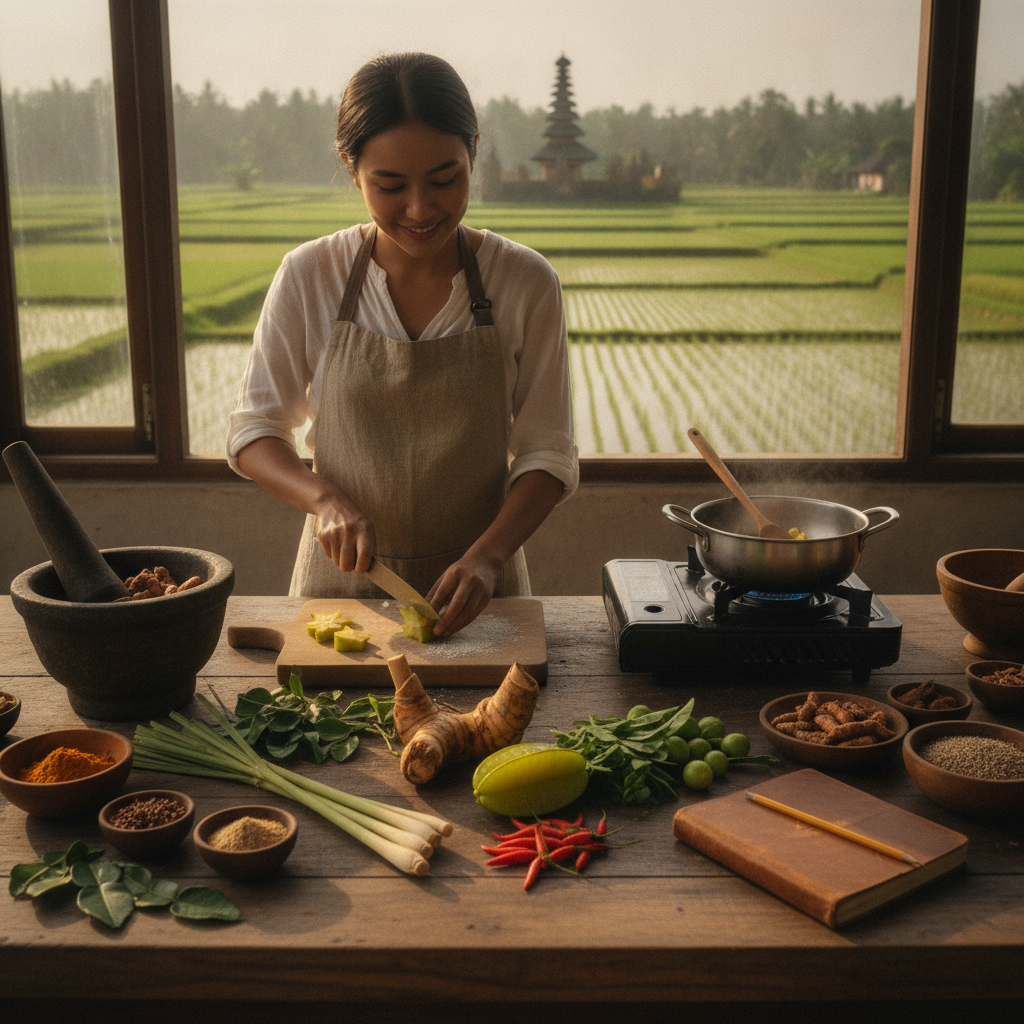
Most people who feel disconnected from cooking aren't lacking recipes or equipment — they're caught in a loop of familiar ingredients, predictable meals, and a quiet sense that food has become more functional than meaningful. The kitchen, which once held the promise of discovery, settles into routine. Something as small as a single unfamiliar ingredient, encountered once a week with genuine curiosity, can quietly disrupt that pattern and restore a sense of wonder to one of the most ordinary parts of daily life.
The Weight of Culinary Routine
Routine in the kitchen is not inherently a problem — it provides efficiency, comfort, and consistency. But when the same ten ingredients cycle through every week without variation, cooking tends to lose its sense of aliveness. The same flavors, the same textures, the same smells rising from the same pan. Over time, a person stops tasting food and simply eats it. This narrowing happens gradually, almost imperceptibly, until one day the act of preparing a meal feels less like a creative act and more like a chore to be completed as quickly as possible.
The Ritual as a Form of Practice
A ritual differs from a habit in an important way: it carries intention. When someone designates one evening per week to bring home an ingredient they've never cooked with before — dried sumac from a Persian grocery in a neighborhood like Chicago's Devon Avenue, a bunch of fresh fenugreek leaves from an Indian market, or a package of dried kombu from a Japanese kitchen supplier like Katagiri — they are making a small but deliberate commitment to curiosity. The ritual doesn't need to produce a perfect dish. Its purpose is the encounter itself: handling something unfamiliar, reading about its origins, experimenting without pressure.
What Unfamiliarity Actually Does to the Mind
There is a particular kind of attention that unfamiliarity demands. When a person works with an ingredient they don't recognize, the automatic pilot of cooking switches off. They slow down, they read, they smell more carefully, they taste as they go. This heightened attentiveness — sometimes called *shoshin* in Zen traditions, meaning "beginner's mind" — reactivates the senses in a way that routine never can. Ingredients like za'atar, a Middle Eastern herb blend of dried thyme, sesame, and sumac, or miso, the Japanese fermented soybean paste available from brands like Hikari or Marukome, carry entire cultural histories that deepen the experience far beyond the plate.
Building a Personal Ingredient Library
Over weeks and months, the weekly ritual accumulates into something substantial. A person who commits to one new ingredient each week builds what might be called a personal ingredient library — a growing vocabulary of flavors, techniques, and food cultures that reshapes how they approach every meal, not just the experimental ones. Tamarind paste, once mysterious, becomes a reliable souring agent. Preserved lemons, once exotic, find their way into weeknight chicken dishes. This expanding vocabulary doesn't require formal culinary training; it develops naturally through consistent, low-pressure exploration, one ingredient at a time.
The Cultural Dimension of Ingredient Discovery
Every ingredient carries geography. Dried Kashmiri chiles suggest the mountain valleys of northern India. Freekeh, the smoky roasted green wheat used across the Levant and North Africa, holds centuries of agricultural tradition in its char. Exploring these ingredients honestly means brushing up against cultures, histories, and food systems that most home cooks rarely encounter. Apps like Yummly or Whisk can suggest traditional preparations, but the deeper reward comes from seeking out community cookbooks, visiting specialty grocers, or speaking with shopkeepers who stock these items because they use them at home. The food becomes a doorway, not just a dinner.
Starting Simply Without Overcrowding the Process
The most common mistake when people try to expand their cooking is attempting too much at once — new technique, new cuisine, new equipment, all in the same week. The single-ingredient ritual works precisely because it limits the scope of experimentation. Choose one thing. Look up two or three simple preparations. Pick the one that requires the fewest additional unfamiliar elements. If this week's ingredient is preserved sumac, use it on roasted cauliflower with olive oil and a pinch of salt. Let the ingredient speak. Next week, something else arrives, and the process begins again — unhurried, sustainable, genuinely enjoyable rather than performatively ambitious.
When the Kitchen Becomes a Place of Discovery Again
You might not notice the shift right away. But somewhere around the fourth or fifth week of this practice, the kitchen starts to feel different. You find yourself wandering through the aisles of a market like H Mart or a local international grocer with actual curiosity rather than efficiency in mind. You linger at something you can't identify and feel interested rather than intimidated. Food conversations change — you have something to say that isn't a restaurant recommendation or a recipe link, but a genuine observation about flavor, origin, or technique. The ritual has done something quiet and lasting: it has made you a person who pays attention to what you eat and why.
The frustration that comes from feeling stuck in culinary routine is, in the end, a frustration with a kind of smallness — the smallness of a world reduced to the familiar. A single unfamiliar ingredient, brought home once a week with no expectation beyond honest engagement, is a remarkably direct remedy. It doesn't overhaul anything. It simply opens a door that was never locked, only unopened.