Few places reward slow, foot-powered travel quite like the Azores. These nine volcanic islands scattered across the mid-Atlantic aren't built for rushing — they're built for wandering, and their network of village-to-village trails makes it genuinely easy to design your own itinerary without booking a single guided tour. Whether you're drawn to São Miguel's dramatic calderas or Flores' hidden waterfalls, the trails here connect real communities, real kitchens, and real landscapes in a way that most travel experiences simply don't.
Start With the Official Trail Registry Before Anything Else
The Azores Regional Government maintains an official trail network called Trilhos dos Açores, which lists marked routes across every island. Before you map a single day, spend time on their portal — it categorizes trails by difficulty, length, and whether they're currently open, since landslides and seasonal erosion do close certain paths. São Miguel alone has over a dozen registered trails, ranging from a gentle two-hour coastal walk to the full crater loop above Sete Cidades. Knowing what's officially maintained versus what's an informal path saves you from arriving at a trailhead that no longer connects the villages it once did.
Use Elevation Profiles to Sequence Your Days Smartly
The Azores are volcanic, which means trails rarely stay flat. A route that looks manageable on a map might involve six hundred meters of cumulative ascent across six kilometers. Most trail listings on the official portal and on Wikiloc include elevation profiles, and reading those before committing to a day's plan is essential. A practical approach is to schedule your most demanding elevation days early in the trip when your legs are fresh and curiosity is highest, then allow flatter coastal routes for later days. Fatigue compounds on multi-day itineraries faster than most people expect, especially in humid Atlantic weather.
Design Each Night Around a Village, Not a Town
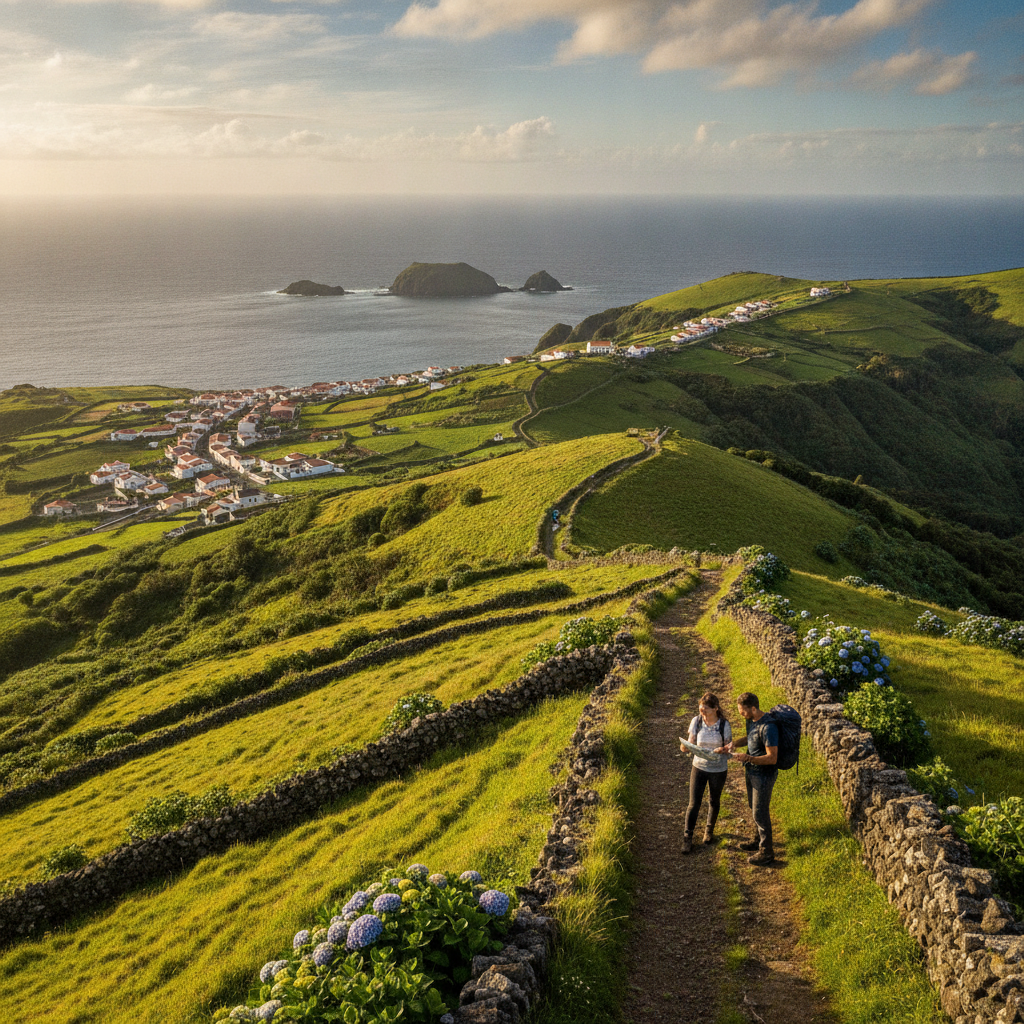
One of the genuine pleasures of building an Azorean hiking itinerary is that the trails end in real villages — Furnas, Faial da Terra, Fajã dos Cubres — each with a handful of guesthouses or rural turismo accommodation. Booking one night in each village rather than commuting back to a larger base like Ponta Delgada changes the entire texture of the experience. You eat where locals eat, walk the village at dusk without other tourists around, and genuinely absorb the rhythm of island life. It also means your next morning's trailhead is right outside the door.
Build Buffer Days Into the Middle of the Itinerary
Azorean weather changes quickly. Fog that looks thin in the morning can thicken by mid-afternoon and make trail navigation genuinely difficult, particularly on higher routes like Pico's summit trail or the ridge walk above Caldeira do Faial. Rather than scheduling every day with a long hike, insert a lighter exploration day every third or fourth day. These buffer days double as weather insurance and as time to linger — visiting a local cooperative, trying smoked sausage from a village market, or sitting with a coffee until the clouds decide what they want to do.
Learn the Waymarking System Before You Set Off
Azorean trails use a standard Portuguese waymarking system: a red-and-yellow stripe means you're on the correct path, while a red-and-yellow X means you've gone the wrong way. This sounds simple, and it is — but the markers can be spaced widely in open terrain, and first-time trail users sometimes walk well past a turning before realizing they've lost the route. Download the trail GPX files from the Trilhos dos Açores site onto an offline app like Maps.me or Gaia GPS before leaving your accommodation each morning. Cell coverage on interior trails is inconsistent, and having the route loaded offline removes a significant source of stress.
Connect Islands Using Inter-Island Ferries as Part of the Route
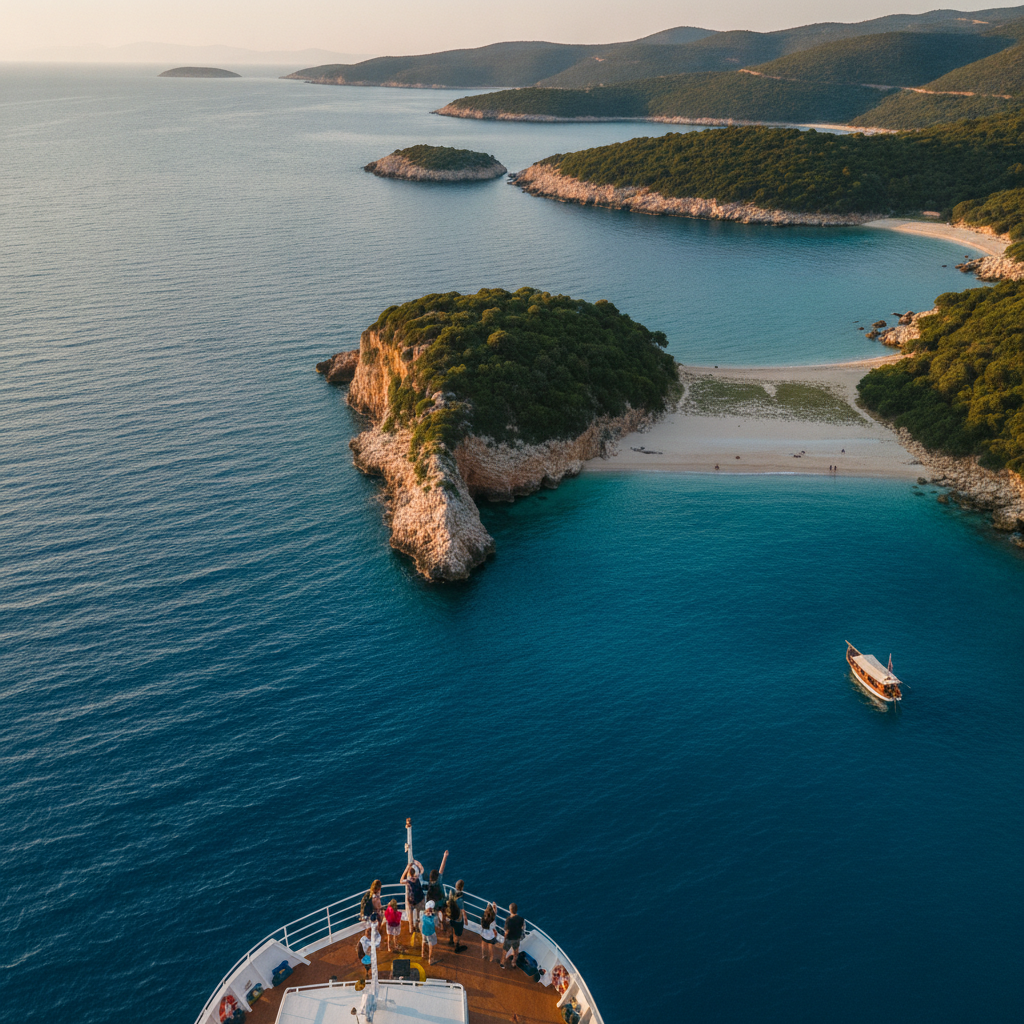
If your itinerary spans more than one island — São Miguel to Terceira, or Faial to Pico — the SATA Air Açores flights are fast but the inter-island ferries run by Atlânticoline feel far more in keeping with the pace of a hiking trip. The ferry crossing between Faial and Pico takes around thirty minutes and gives you a view of Pico's volcano that no road provides. Treating the ferry as part of the journey rather than just a transfer changes how you arrive on each island. You step off at the dock already oriented, already in the rhythm of the place.
Keep Your Pack Weight Under Control for Multi-Day Comfort
Village guesthouses in the Azores are small operations. Laundry facilities are sometimes available but not guaranteed, and luggage storage between stages is not a structured service the way it is on something like the Camino de Santiago. The most comfortable approach is a pack of around twelve to fourteen liters for a five-to-seven day walking itinerary, supplemented by a small dry bag for rain layers. Merino wool base layers cut down on what you need to carry by staying fresh longer. Most trailhead villages have a mini-market or local shop where you can restock snacks and water without carrying more than a day's supply at a time.
Use Trail Endings as Dinner Research Opportunities
When you arrive at a village at the end of a trail, take fifteen minutes to walk the main street before checking into your accommodation. The Azores have a genuine local food culture — grilled limpets, alcatra beef stew, fresh fish from the morning catch — and small villages often have only one or two places serving a proper evening meal. Knowing what's available before you're hungry makes dinner a pleasure rather than a scramble. Ask the guesthouse owner for a recommendation rather than relying on review apps, which often lag behind openings and closures in smaller communities.
The self-guided hiking approach in the Azores is only becoming more accessible. Trail infrastructure continues to improve across the lesser-visited islands like Graciosa and São Jorge, and the regional tourism authority has been expanding its digital trail resources steadily. If you go with a flexible attitude, a downloaded map, and a genuine willingness to let the villages set the pace, you'll find that the islands reveal themselves in a way no tour bus itinerary could manage. The trails are already there — you just have to decide where to start.