Most people experience time as something that happens to them rather than something they actively shape. Calendars fill, commitments accumulate, and the week moves forward on its own momentum — leaving little room for the kind of open, unstructured hours that allow a person to simply exist without agenda. Yet within that compressed rhythm, something important gets quietly lost: the felt sense that one's time belongs to oneself at all.
What Does an Unscheduled Afternoon Actually Mean?
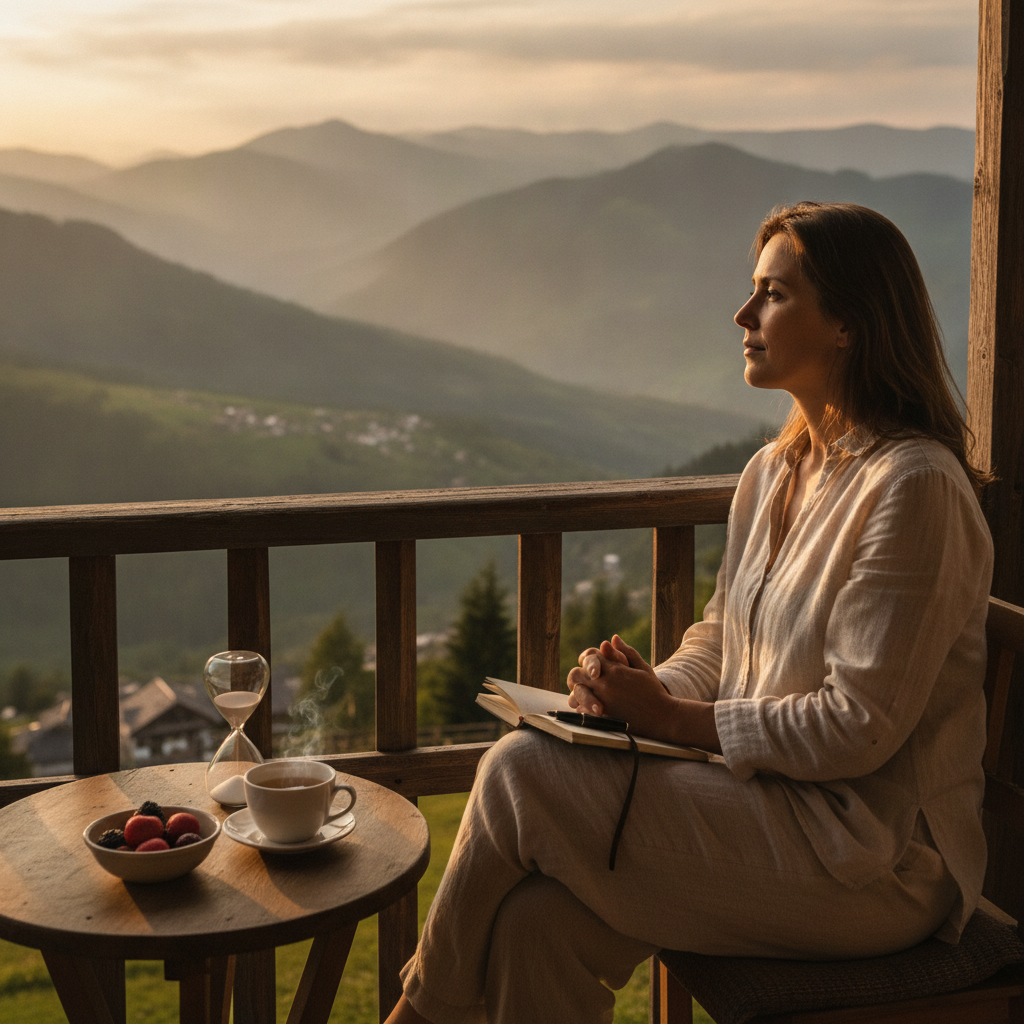
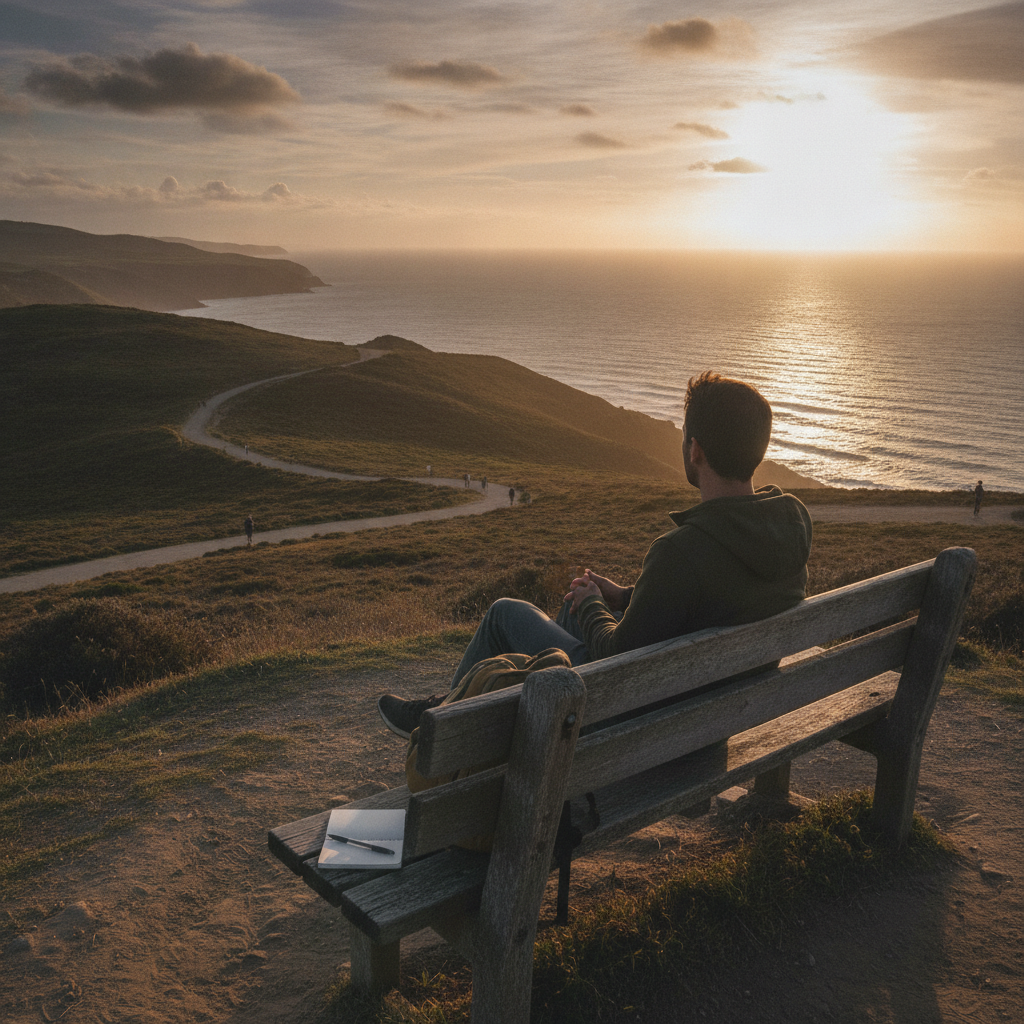
An unscheduled afternoon is not the same as free time that happens to go unused, nor is it a loosely blocked period reserved for catching up on errands. It's a deliberate, protected window — typically two to four hours — with no tasks assigned to it in advance, no productivity goal attached, and no expectation of output. The distinction matters because the mind responds differently to emptiness that's been chosen versus emptiness that's been stumbled into. When a person consciously sets aside unstructured time, they signal to themselves that rest and self-direction hold genuine value, not just instrumental worth.
How Does Constant Scheduling Affect the Relationship With Time?
When every waking hour carries some obligation — professional, domestic, social, or even self-improving — a subtle but significant shift occurs in how time is perceived. It begins to feel like a resource that must be justified through use rather than something a person simply inhabits. Researchers in psychology and organizational behavior have consistently linked over-scheduled lives to heightened anxiety and a weakened capacity for spontaneous pleasure. The brain, accustomed to operating in task mode, struggles to downshift even when given permission. Over months and years, this produces a peculiar exhaustion: not the tiredness of physical labor, but the depletion of a life lived largely on someone else's terms, even when those terms were self-imposed.
Why Does Unstructured Time Feel Uncomfortable at First?
For many people, the first few attempts at holding an unscheduled afternoon produce restlessness rather than relief. The pull toward productivity is powerful, and doing nothing — or doing something purely for its own sake — can trigger a low-grade anxiety that reads almost like guilt. This discomfort is actually informative. It reveals how thoroughly the habit of scheduled time has reshaped a person's baseline. Apps like Calm or Headspace often address one corner of this problem through guided meditation, but they still assign structure to what might otherwise be genuinely open time. The discomfort tends to ease after several consistent weeks, as the nervous system begins to recognize unstructured time not as wasted but as restorative.
What Tends to Happen When the Habit Becomes Established?
Once an unscheduled afternoon becomes a reliable weekly feature, most people report a gradual but meaningful shift in how they experience the rest of the week. Having something genuinely open to look forward to changes the psychological texture of busier days — it functions as a kind of ballast. People begin making different choices during their unscheduled time, too. Some find themselves walking through a neighborhood they've passed for years without exploring, visiting a local bookshop like Powell's Books in Portland or Daunt Books in London simply to browse without intention, or sitting in a park and noticing the quality of light in a way that a scheduled lunch break never permits. These experiences compound quietly over time.
How Does This Practice Affect Creativity and Decision-Making?
The connection between unstructured time and creative output is well established across fields ranging from design to literature to scientific research. When the mind is not directed toward a specific problem, it engages in what cognitive science calls default mode processing — a form of background activity that integrates experiences, surfaces unexpected connections, and generates ideas that directed thinking rarely produces. Many of the more interesting professional insights people have arrive not at their desks but during walks, long showers, or the kind of unhurried afternoon that has no particular destination. Protecting this mental space isn't indulgent; for anyone whose work involves judgment, communication, or problem-solving, it's genuinely functional.
How Can You Build This Into a Week That's Already Full?
The practical challenge is real: most weeks feel too packed to surrender even a single afternoon without something important going unattended. The approach that tends to work is treating the unscheduled window exactly like any other commitment — blocking it in advance, declining requests that would fill it, and resisting the urge to move it when the week becomes busy. Sunday afternoons work well for many people, though the specific timing matters less than the consistency. Some find that pairing the practice with a change of environment helps — leaving the house and heading somewhere like a botanical garden, a quiet café in an unfamiliar part of town, or even a local library reinforces the mental signal that this time is categorically different. Start with one afternoon, protect it for four consecutive weeks, and notice what shifts.
Time scarcity is partly real and partly constructed — built from habits of over-commitment and a cultural bias toward busyness as evidence of a life well lived. The simple act of holding one unscheduled afternoon each week doesn't resolve all of that, but it begins to rebalance something important: the sense that a person is living their own week rather than simply executing it. That shift, modest as it sounds, has a way of rippling outward into how decisions get made, how rest is understood, and how a life feels from the inside.