There is a version of almost every beloved destination that most travelers never see — not because it's hidden, but because it exists at the wrong time of year for their itinerary. The shoulder season, that transitional stretch of weeks flanking peak tourist months, has long been praised in practical terms: lower accommodation rates, thinner crowds, easier restaurant reservations. But the practical argument, compelling as it is, doesn't fully capture what the experience actually feels like on the ground. The difference between visiting the Amalfi Coast in late September versus mid-July isn't merely logistical. It's atmospheric, almost philosophical. The place itself seems to exhale.
The Texture of a Quieter Arrival
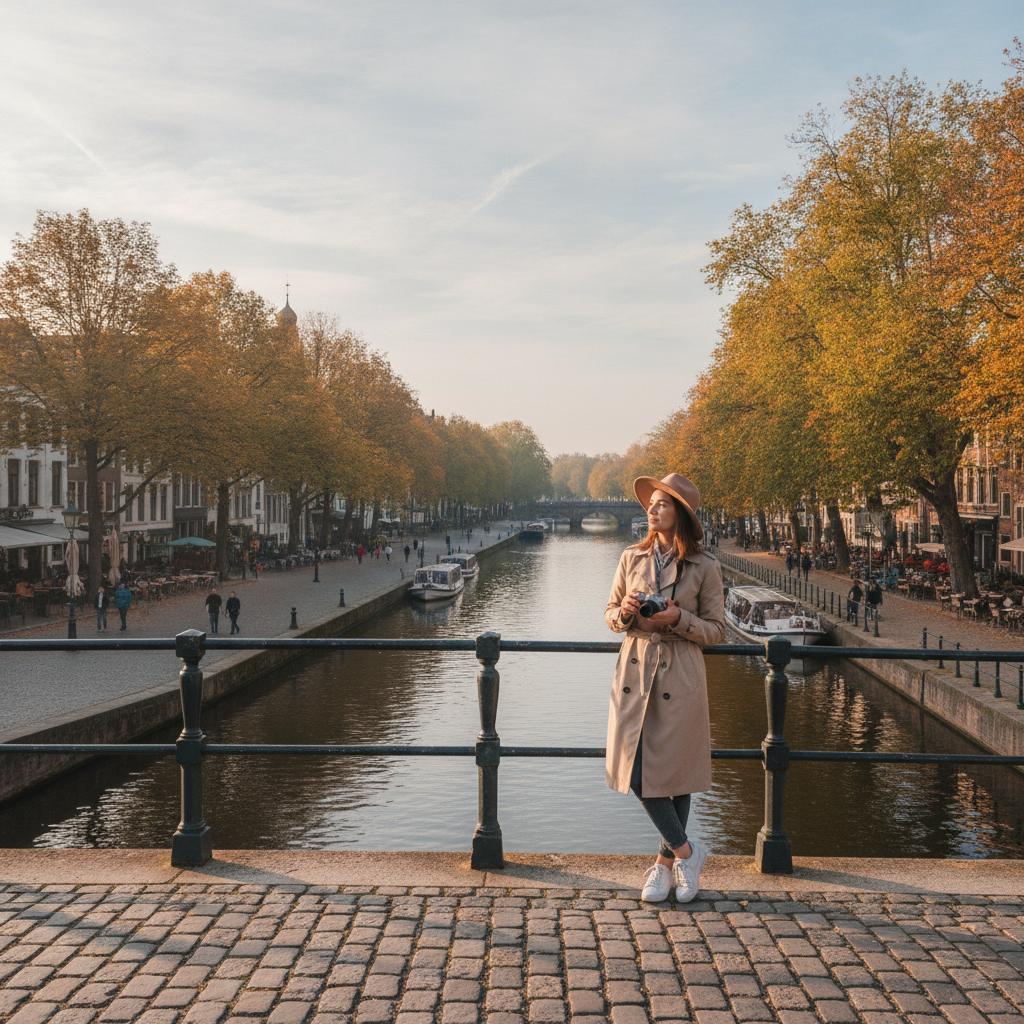
Arriving in a destination during shoulder season carries a distinct quality that veteran travelers often describe as recalibrating. In peak months, the first impression of a place is frequently shaped by the crowd rather than the place itself — queues at the train station, a lobby thick with rolling luggage, streets that feel more like pedestrian corridors than living neighborhoods. During shoulder season, that introductory moment tends to be gentler. The hotel receptionist in Porto's Baixa district has a moment to make conversation. The waiter in a Kyoto side-street restaurant isn't managing six tables simultaneously. These small exchanges, unremarkable in isolation, accumulate into something that begins to feel like genuine encounter rather than transactional tourism.
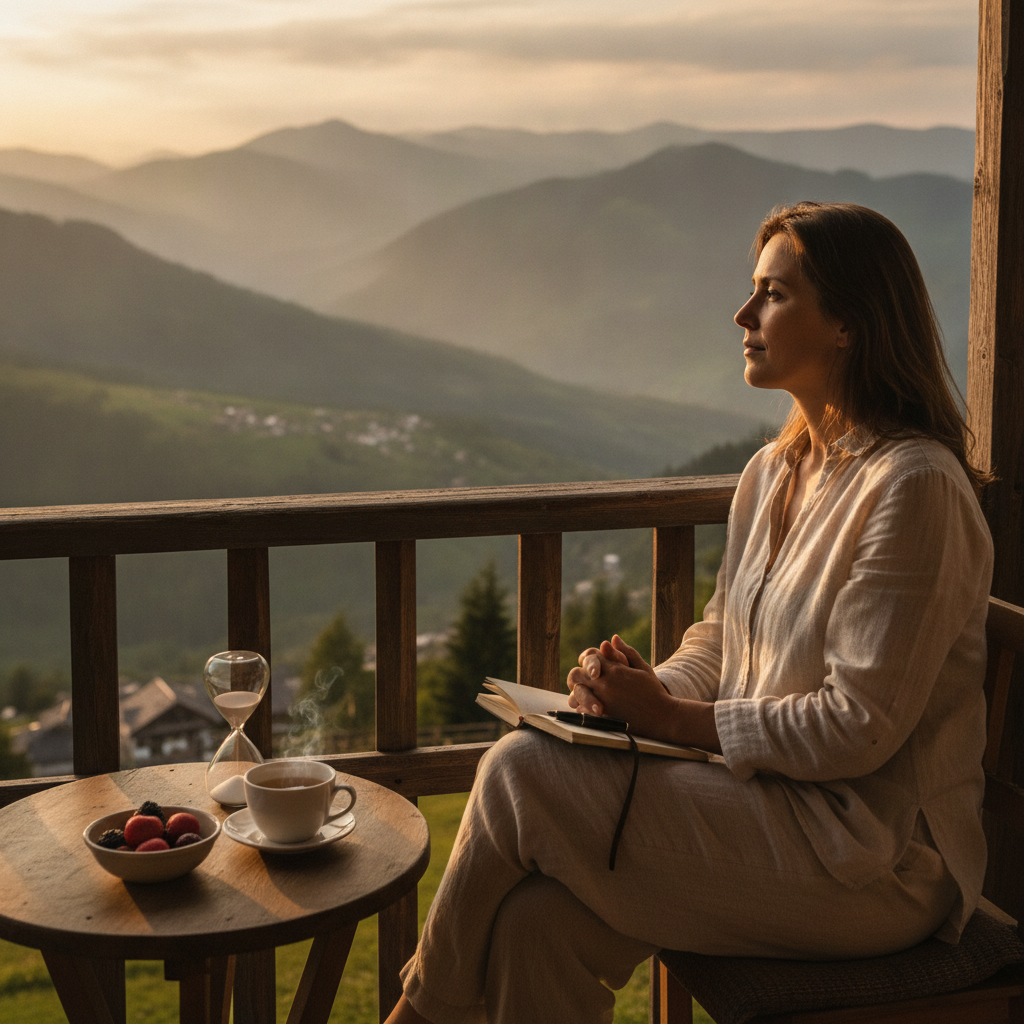
There is also something worth noticing about what shoulder season does to a traveler's own pace. Without the implicit pressure of crowds moving through spaces quickly, visitors tend to slow down. They linger longer at a single viewpoint. They double back. They sit in a café for an hour without feeling that a table is needed for someone else. The rhythm of the trip shifts toward something closer to what the French call *flânerie* — the art of purposeful wandering without destination — a quality that peak travel, with its logistical urgency, rarely permits.
What Changes Practically, and What Doesn't
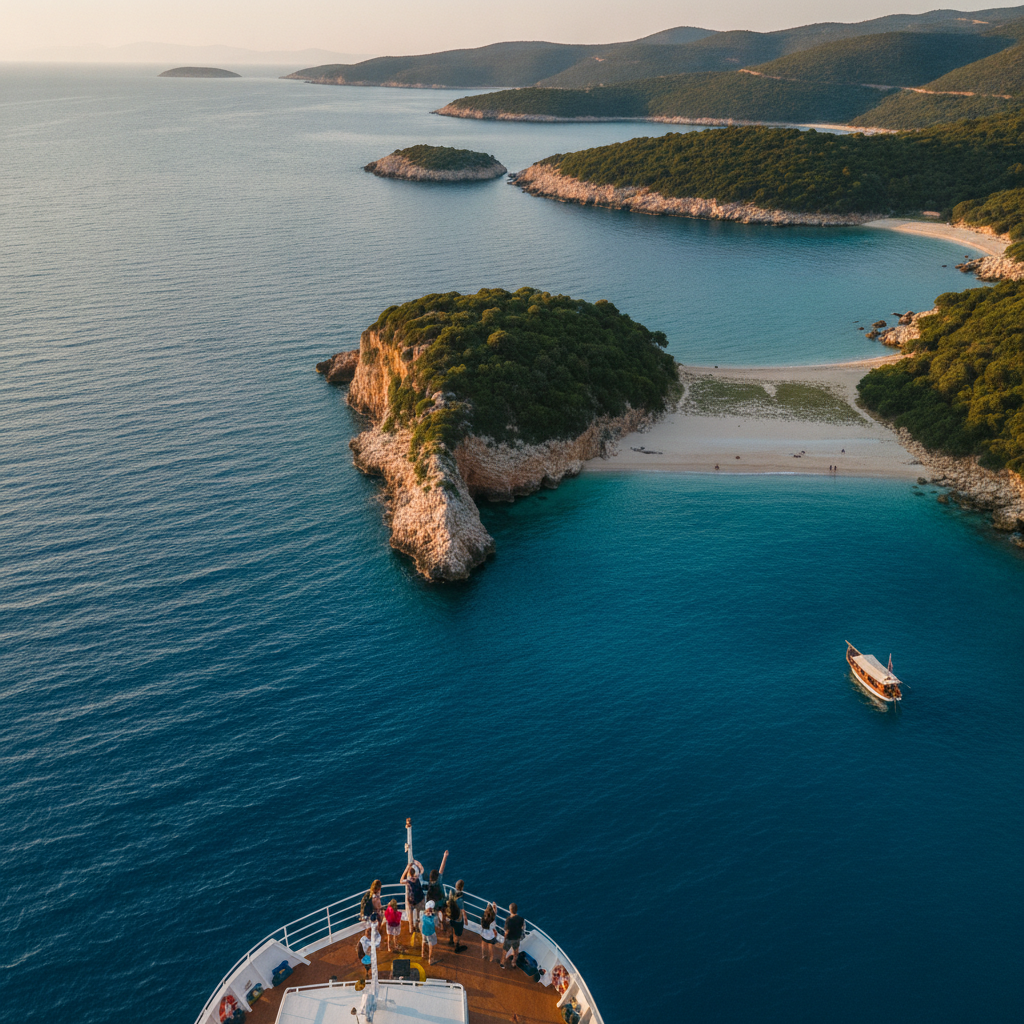
The practical realities of shoulder season travel are real, though they vary more by destination than popular advice tends to acknowledge. In Mediterranean Europe — coastal Croatia, the Greek islands, southern Spain — shoulder season typically runs from mid-September through October and again from late April through May. During these windows, accommodation prices across platforms like Booking.com and Airbnb drop noticeably, sometimes substantially, compared to August peaks. Airlines serving routes into cities like Dubrovnik or Thessaloniki adjust pricing similarly, responding to softer demand.
What doesn't change, and occasionally surprises travelers who haven't thought it through, is that some infrastructure scales back alongside the crowds. Certain ferry routes in the Greek Ionian Islands run on reduced schedules in October. A museum gift shop in a smaller Slovenian town might keep abbreviated hours. A popular hiking trail café in the Azores may not open at all on weekday mornings outside summer. None of these inconveniences are particularly serious, but they do require a slightly different kind of preparation — one oriented toward flexibility rather than fixed itineraries.
The Cultural Dimension of Off-Peak Presence
There is a dimension to shoulder season travel that rarely appears in the practical discussion: the way it changes the cultural dynamic between visitor and host. In peak tourist months, locals in heavily visited destinations have often developed a practiced, professional remove — courteous but essentially defensive, a necessary adaptation to the sheer volume of strangers moving through their daily environment. This isn't unfriendliness; it's a rational response to a particular kind of social saturation. The Japanese concept of *tatemae* — the public face one presents to maintain social harmony — becomes, in overtouristed peak seasons, almost universally the mode of interaction visitors encounter.
During shoulder season, something different tends to emerge. The defenses lower, if only slightly. Conversations in Lisbon's Mouraria neighborhood or in the market stalls of Chiang Mai feel less performed and more spontaneous. A shopkeeper is more likely to recommend a place they actually eat, rather than the one that appears on every walking tour map. This is not a guaranteed experience, and it shouldn't be romanticized into a formula, but it is a consistent pattern that attentive travelers notice and value. The destination begins to feel less like a set and more like a place where people actually live.
What You Carry Home
The memories that travel leaves behind don't tend to be the ones from the most efficiently planned days. They're the unscheduled hours — the unexpected conversation, the afternoon that turned into an evening without any particular reason. Shoulder season travel creates more room for these moments simply because the environment is less orchestrated. The tourist infrastructure is still present, still functional, but it isn't running at full performance. That slight reduction in theatrical polish is precisely what allows the genuine texture of a place to come through.
If you're planning a trip and the dates feel flexible, consider building your itinerary around the shoulder window rather than treating it as a budget compromise. Research the specific rhythms of your destination — Marrakech's shoulder season behaves differently from Copenhagen's, and what's considered low season in Tbilisi might be a shoulder peak in Seville. The shoulder season isn't a consolation prize for travelers who couldn't manage peak-month pricing. It's a different kind of journey, one that tends to feel more personal, more spacious, and ultimately more true to what most people are actually searching for when they decide to go somewhere new. There is, after all, a version of almost every beloved destination that most travelers never see — and the quieter months are often where it lives.