Simple Meal Planning Tips for New Independent Living
Peyton Sawyer
2026-01-02
6 min read
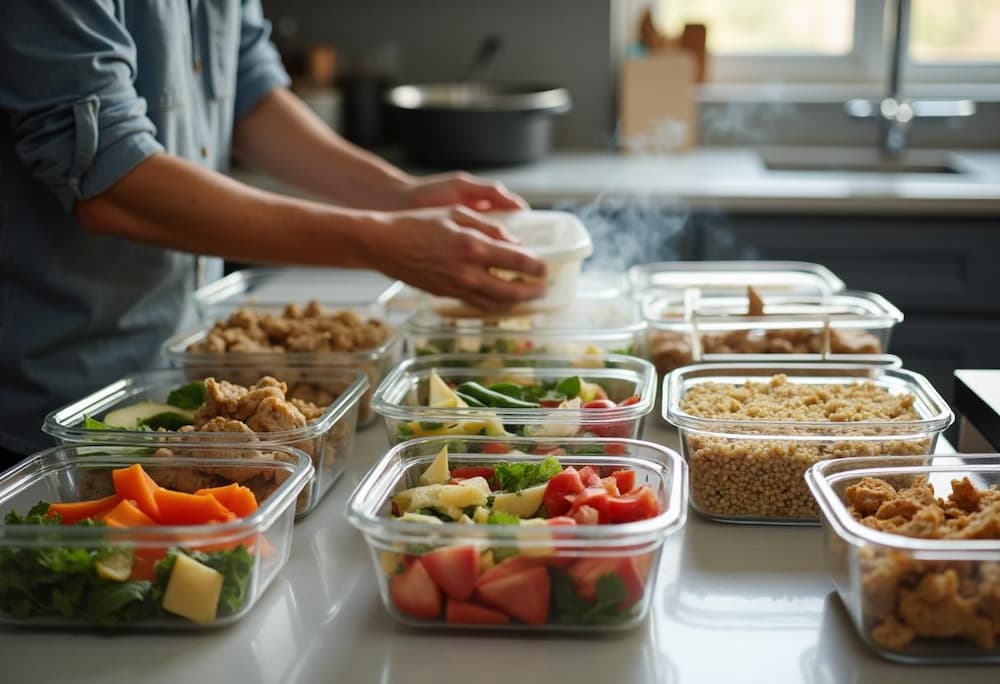
Moving out and living on your own for the first time is an exciting milestone, full of newfound freedom and personal growth. Alongside the thrill, however, comes the challenge of managing daily responsibilities independently—one of the most significant being meal planning. Cooking for yourself might seem intimidating if you’ve relied on family meals, takeout, or campus cafeterias in the past. But with a few simple strategies, meal planning can become an empowering and manageable part of your independent life.
Meal planning is not just about deciding what to eat; it’s about creating a system that saves time, reduces stress, supports your health, and even helps you stick to a budget. When done effectively, meal planning can prevent last-minute decisions, minimize food waste, and give you more energy for work, school, or social activities.
Start With a Simple Structure
One of the first steps in successful meal planning is creating a basic weekly framework. You don’t need to plan every single meal in extreme detail, but having a structure reduces decision fatigue and sets a clear guideline for your grocery shopping. Many first-time independent living meal planners find it helpful to assign themes to each day, such as “Pasta Monday,” “Taco Tuesday,” or “Stir-Fry Friday.” This approach creates variety without overwhelming you with endless options.
Another strategy is to plan meals in three tiers: breakfast, lunch, and dinner. Breakfasts can be simple—oatmeal, yogurt with fruit, or smoothies. Lunches might revolve around sandwiches, salads, or grain bowls that are easy to prepare and transport. Dinners are often where you spend more time cooking, but planning ahead allows you to batch-cook or pre-prepare ingredients. By thinking of meals in tiers, you balance simplicity with nutritional variety.
Batch Cooking and Prep Is Your Best Friend
Batch cooking is a time-saving and money-saving strategy that every first-time independent adult should master. Preparing large quantities of versatile ingredients—like grilled chicken, roasted vegetables, or cooked grains—at the beginning of the week can drastically reduce daily cooking stress. For example, roasting a tray of mixed vegetables can be used for dinner, chopped into salads for lunch, or tossed with pasta for a quick weeknight meal. Similarly, making a large pot of soup or chili can provide multiple meals with minimal effort.
Meal prep doesn’t have to be complicated. Even chopping vegetables, washing fruits, or cooking grains in advance can make the difference between reaching for a healthy homemade meal and defaulting to takeout. Invest in a few quality containers that are microwave-safe and stackable, as this makes storage and portion control much easier.
Balance Nutrition With Convenience
When living alone, it’s easy to rely on quick, processed foods, but maintaining a balance of nutrients is important for energy, mood, and overall health. A simple rule is to focus on including protein, complex carbohydrates, and vegetables in each meal. Protein sources could include eggs, beans, lentils, tofu, chicken, or fish. Carbohydrates should come from whole grains like rice, quinoa, or whole-wheat pasta. Vegetables and fruits provide essential vitamins and minerals while keeping meals fresh and satisfying.
Snack planning is equally important. Having a few healthy, ready-to-eat snacks like cut vegetables, fruit, nuts, or yogurt can prevent unhealthy cravings and help you stay consistent with your nutrition goals. By combining convenience with balanced nutrition, you’re more likely to stick to your meal plan and maintain energy throughout the day.

Create a Smart Grocery List
One of the biggest mistakes first-time independent residents make is shopping without a plan. Impulse purchases can lead to wasted food, overspending, and a pantry full of ingredients that don’t work together. A grocery list based on your meal plan ensures that every purchase has a purpose. Group items by category—produce, proteins, pantry staples, dairy, and frozen goods—to make shopping faster and more efficient.
Consider keeping a few staples on hand at all times. Items like pasta, rice, canned beans, frozen vegetables, and eggs provide a foundation for many quick meals. This “backbone pantry” ensures that you can still prepare a meal even if you run out of a key ingredient from your weekly shopping list.
Experiment and Keep It Enjoyable
Meal planning doesn’t have to feel like a chore. In fact, experimenting with new recipes, flavors, and cooking methods can make it one of the most rewarding aspects of living independently. Start small by trying one new recipe each week. Not only does this expand your culinary skills, but it keeps your meals interesting and enjoyable. Over time, you’ll develop a personal repertoire of go-to meals that are both easy to make and satisfying.
Another tip is to involve convenience tools like slow cookers, Instant Pots, or air fryers. These devices allow you to create complex, flavorful meals without spending hours in the kitchen, making meal planning more realistic for a busy schedule.
Be Flexible and Realistic
The most important aspect of meal planning for new independent living is flexibility. Life is unpredictable, and there will be nights when cooking just isn’t feasible. Accepting this reality and having a few backup options—like frozen meals, canned soups, or healthy takeout choices—prevents frustration and keeps you on track without feeling deprived. Treat your meal plan as a guideline rather than a strict rule, and adjust as needed based on your schedule, budget, and energy levels.
By creating a simple structure, incorporating batch cooking, balancing nutrition, and planning smart grocery trips, you can save time, reduce stress, and maintain a healthy diet. Adding a sense of experimentation and flexibility keeps the process enjoyable and sustainable. Learning to plan meals effectively empowers you not only in the kitchen but in managing your independent life as a whole. With practice, meal planning transforms from a daunting task into a tool for confidence, independence, and well-being—a must-have skill for any new adult navigating life on their own.