Constant movement sounds romantic until you're hauling luggage through cobblestones at 7am, checking out of your third hotel in five days, and realizing you've barely scratched the surface of any single place. The hotel-hopping model works well for certain trips, but for longer European stays, it often costs more, feels more exhausting, and produces less meaningful memories than simply planting yourself somewhere for a week or two.
What Does Settling Into One Place Actually Change?
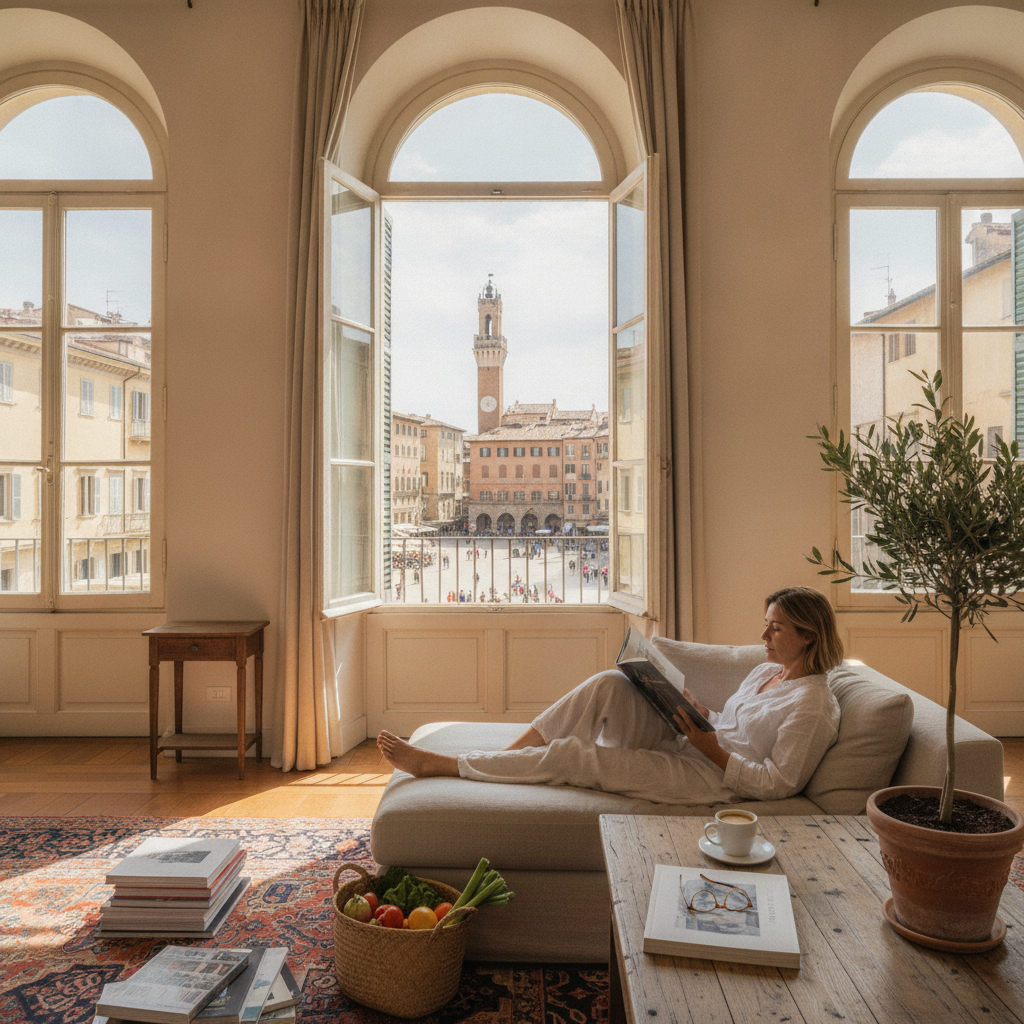
When you stop moving every few days, something shifts in how you experience a city. You start recognizing the baker on the corner. You figure out which grocery store has the better produce. You stop orienting yourself on a map every morning and just... walk. That transition from tourist to temporary local doesn't require months — it can happen within three or four days of staying in one neighborhood. Lisbon's Mouraria district or Bologna's Quadrilatero market area, for example, reward that kind of patient presence far more than a rushed overnight stop ever could.
How Does the Real Cost Compare to Hotel Stays?
Hotels price per night, which seems manageable until you add it up across ten or fourteen days. A long-stay apartment on Airbnb or through platforms like Vrbo or Wimdu typically offers a weekly or monthly discount that meaningfully reduces your nightly rate. Beyond the rate itself, having a kitchen eliminates the cost of eating every single meal out — and in cities like Amsterdam or Paris, that difference accumulates quickly. When you factor in breakfast, the occasional lunch, and late-night snacks you'd otherwise buy at marked-up hotel prices, the apartment option almost always comes out ahead financially.
Why Does a Kitchen Change the Whole Trip?
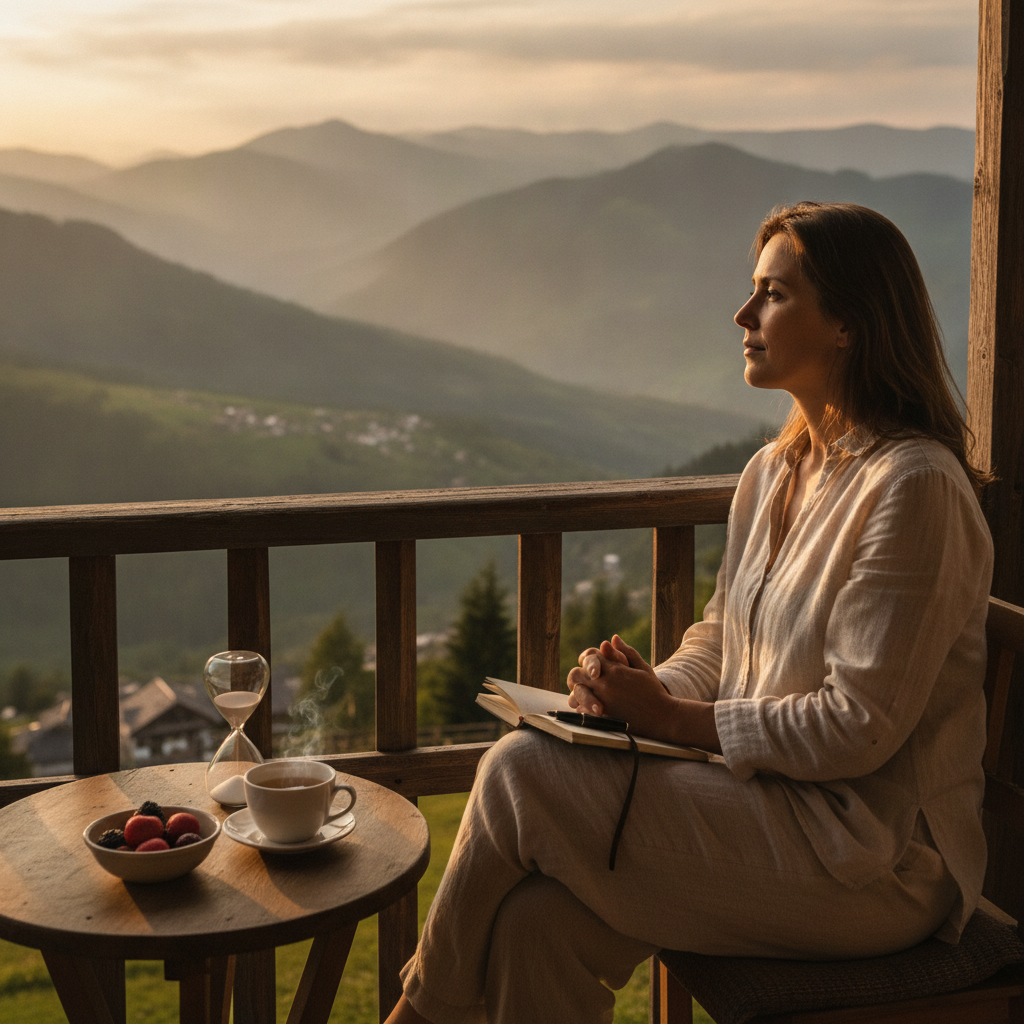
Access to a kitchen isn't just about saving money — it changes the rhythm of your days in ways that feel unexpectedly freeing. You can start mornings slowly with coffee you made yourself instead of scrambling for a café table. You can visit a local market, pick up fresh ingredients, and cook a simple dinner that doubles as its own cultural experience. In cities like Seville or Florence, spending an afternoon wandering a neighborhood market and then cooking what you found is genuinely one of the better ways to understand a place. It's unhurried, inexpensive, and deeply satisfying.
How Does Unpacking Once Reduce Travel Fatigue?
Packing and unpacking repeatedly is more draining than most travelers admit before a trip. Every checkout involves a mental audit — chargers, toiletries, the jacket you hung behind the door. Every new hotel room means reconfiguring your habits around an unfamiliar space. When you have one apartment for the duration, you unpack properly, organize your things, and stop spending mental energy managing logistics. That freed-up attention goes somewhere more useful: into actually exploring. Travelers who've spent two weeks based in a single apartment in cities like Porto or Kraków consistently describe feeling more rested than on shorter, faster-moving itineraries.
What Makes Day Trips Easier From a Single Base?
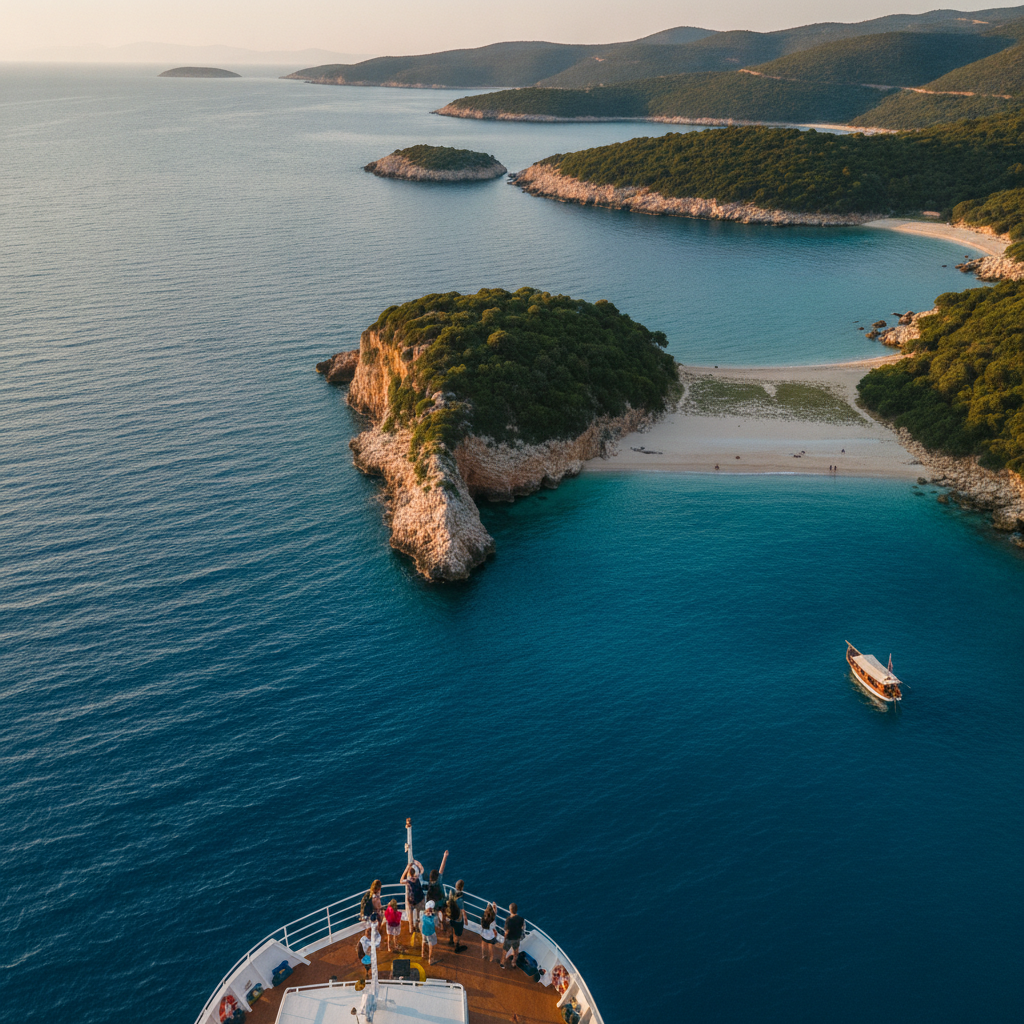
A fixed base doesn't mean you're stuck in one city — it means you have somewhere calm to return to at the end of longer excursions. Staying in Athens, for instance, gives you easy access to day trips to Cape Sounion or the Saronic Islands without the pressure of coordinating hotel checkouts and luggage storage. You can leave early, explore fully, and come back to your own space without navigating a new check-in. That structure actually gives you more freedom, not less, because the logistical overhead shrinks considerably.
How Do You Find the Right Neighborhood to Base Yourself?
Location matters more in an apartment stay than in a hotel stay, because you'll be living in a neighborhood rather than just sleeping in it. Research walkability, proximity to transit, and the presence of everyday conveniences — a supermarket, a pharmacy, a decent café nearby. In Barcelona, the Eixample offers that livable balance. In Rome, Trastevere and Prati both give you authentic residential texture without being remote. Read recent reviews specifically mentioning noise levels and street activity at night, since those details shape daily life more than a hotel stay's shorter duration would reveal.
Why Does Slower Travel Produce Stronger Memories?
Travel memories are rarely formed by ticking off landmarks. They form in quieter moments — a conversation that happens because you're a recognizable regular at the corner bar, a sunset you caught because you had no particular agenda that evening, a street you stumbled onto three days into your stay that you'd never have found on a rushed schedule. Slow travel in a single city creates the conditions for those moments to occur. The return on investment, in terms of what you actually remember and carry home, tends to be far higher than a rapid multi-city sweep through the same region.
Long-stay apartment travel is gaining momentum across Europe as more travelers recognize what constant movement costs them — not just financially, but experientially. Platforms continue improving their long-stay offerings, and more property owners now cater specifically to the one-to-four-week traveler. If your next European trip allows for any flexibility, giving a single city two weeks of genuine attention will likely outperform giving five cities three rushed days each. The slower approach asks a little more patience upfront, but it tends to return something that faster travel rarely does: the feeling that you actually knew a place, even briefly.