Essential Life Skills to Master Before Moving Out: You Can’t Miss
Carter Grant
2025-12-18
6 min read

Moving out on your own for the first time can feel like stepping into a new universe—one filled with independence, freedom, responsibilities, and countless “wow, I didn’t know I needed to know that” moments. Whether you’re heading to college, signing the lease for your first apartment, or simply ready to take the next step into adulthood, preparing ahead of time makes the transition smoother and far less stressful. While no one expects you to have everything perfected from day one, there are foundational life skills that dramatically boost your confidence and help you adapt quickly once you're on your own.
Financial Management: Understanding the Money Behind Your Independence
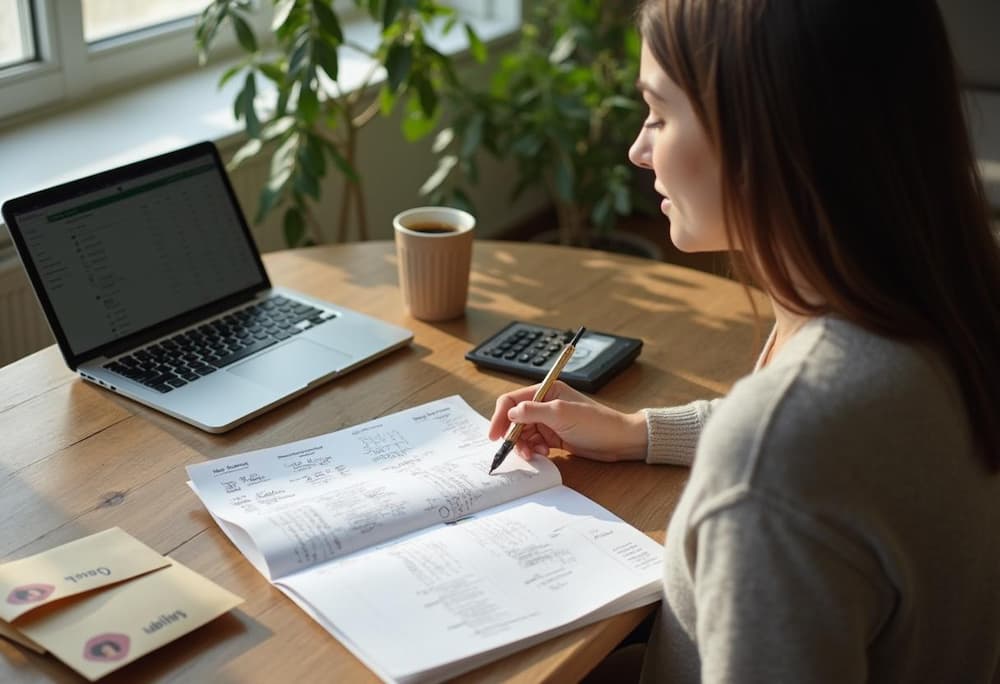
No life change teaches financial responsibility quite like moving out. Suddenly, money isn’t just for fun—it becomes the basis of your stability. Before you pack your bags, you should know how to set up a realistic monthly budget and stick to it. Start by breaking down your recurring expenses: rent, utilities, groceries, transportation, phone bills, subscriptions, savings, and any personal spending. This gives you a clear view of what you must pay versus what you want to pay.
Understanding how bank accounts work is also important. Know the difference between checking and savings, how to set up automatic transfers to build emergency savings, and how to avoid unnecessary fees. On top of that, now is the time to understand credit: how to build it, how to keep it healthy, and how to avoid piling on debt that becomes difficult to manage. This doesn’t mean never using credit; it means using it smartly—paying off balances on time, keeping utilization low, and monitoring your credit score regularly.
Financial management is the backbone of independence. Once you know how to track your money, plan for the future, and avoid common pitfalls, everything else becomes easier.
Basic Home Maintenance: Keeping Your Space Functional and Safe
Even the smallest living space requires upkeep, and knowing some basic home maintenance will save you frustration, money, and emergency calls. Before moving out, learn how to do simple tasks such as resetting breakers, unclogging drains, tightening loose screws, and cleaning essential appliances. It’s also important to understand how to perform routine upkeep to prevent bigger problems later. Cleaning filters, checking smoke detectors, and knowing how to assemble basic furniture are all skills that make your home safer and more comfortable. When something breaks—and it will—you’ll feel far more prepared if you’ve already learned the basics rather than panicking in the moment.
Navigating Groceries and Meal Preparation
Cooking isn’t just about making something delicious—it’s about feeding yourself consistently, affordably, and without stress. Before you live on your own, try planning a week of meals, writing a grocery list, and sticking to it. Learn how to store food properly, prep ingredients ahead of time, and use leftovers efficiently so you aren’t throwing away money or time. You don’t need to be a chef. Start with a handful of simple dishes: stir-fries, pastas, sheet-pan meals, breakfast bowls, or slow-cooker recipes. Get comfortable with kitchen safety, like how to handle knives correctly and how to prevent cross-contamination. Small habits like cleaning as you cook or organizing your pantry can transform your kitchen from overwhelming to manageable. Cooking at home is one of the biggest money-savers and lifestyle boosters for anyone moving out. When you know how to feed yourself well, your health, confidence, and independence all grow.
Time Management and Structuring Your Day
Living alone means taking charge of your schedule without anyone nudging you to wake up, finish tasks, or stay on track. Good time management is one of the most underrated yet crucial life skills to master before moving out. Start by practicing how to break bigger tasks into smaller steps. Learn how to prioritize what needs to be done immediately versus what can wait. Whether you use digital calendars, reminders, or written to-do lists, find a system that keeps you organized and consistent. Time management also extends to creating a healthy routine. Balancing chores, work or school responsibilities, rest, and downtime prevents stress from piling up and keeps your life running smoothly. Establishing a rhythm early makes living independently far easier to handle.

Understanding Personal Safety and Awareness
When you live alone, you become responsible for your safety and the security of your space. Before moving out, learn how to lock down the basics: making sure doors and windows close securely, knowing emergency numbers, and understanding the layout of your building or neighborhood.
Personal safety also includes digital security. Know how to protect your accounts, avoid scams, and safeguard your information. Being aware doesn’t mean being afraid—it means being prepared and confident in your environment.
Communication Skills for Everyday Interactions
Independence doesn’t mean isolation. You’ll interact with landlords, neighbors, coworkers, customer service reps, and possibly roommates. Strong communication is essential for handling everything from resolving conflicts to requesting repairs to building positive relationships.
Practice being clear, direct, and respectful. Get comfortable advocating for yourself—whether it’s setting boundaries with roommates or asking questions when you don’t understand something. Good communication reduces misunderstandings and helps you navigate challenges with ease.
Emotional Resilience and Managing Stress
One of the biggest adjustments when moving out is learning to regulate your emotions and manage stress without the immediate support system you may have been used to. Independence comes with pressure, but emotional resilience helps you handle setbacks with confidence rather than panic.
Learn how to decompress after a long day, whether through exercise, journaling, calling a friend, or simply resting. Understand that you don’t need to have everything figured out at once. Mistakes and learning moments are part of the process—not signs of failure.
Building Healthy Routines and Habits
The habits you create once you move out often set the tone for your long-term lifestyle. This includes sleep routines, cleaning schedules, hygiene habits, and regular exercise. Having structure helps you maintain balance and reduces the chaos that can come with living independently.
It’s not about perfection—it’s about consistency. Establish habits that support your well-being rather than drain you, and adjust them as your life changes.
Moving out for the first time is an exciting and transformative moment. While you’ll always learn more along the way, mastering these core life skills beforehand makes your transition smoother, easier, and far more empowering. Independence isn’t just about living in your own space—it’s about understanding how to take care of yourself, your responsibilities, and your well-being. And when you’re equipped with the right skills, the leap into adulthood feels less intimidating and a lot more thrilling.