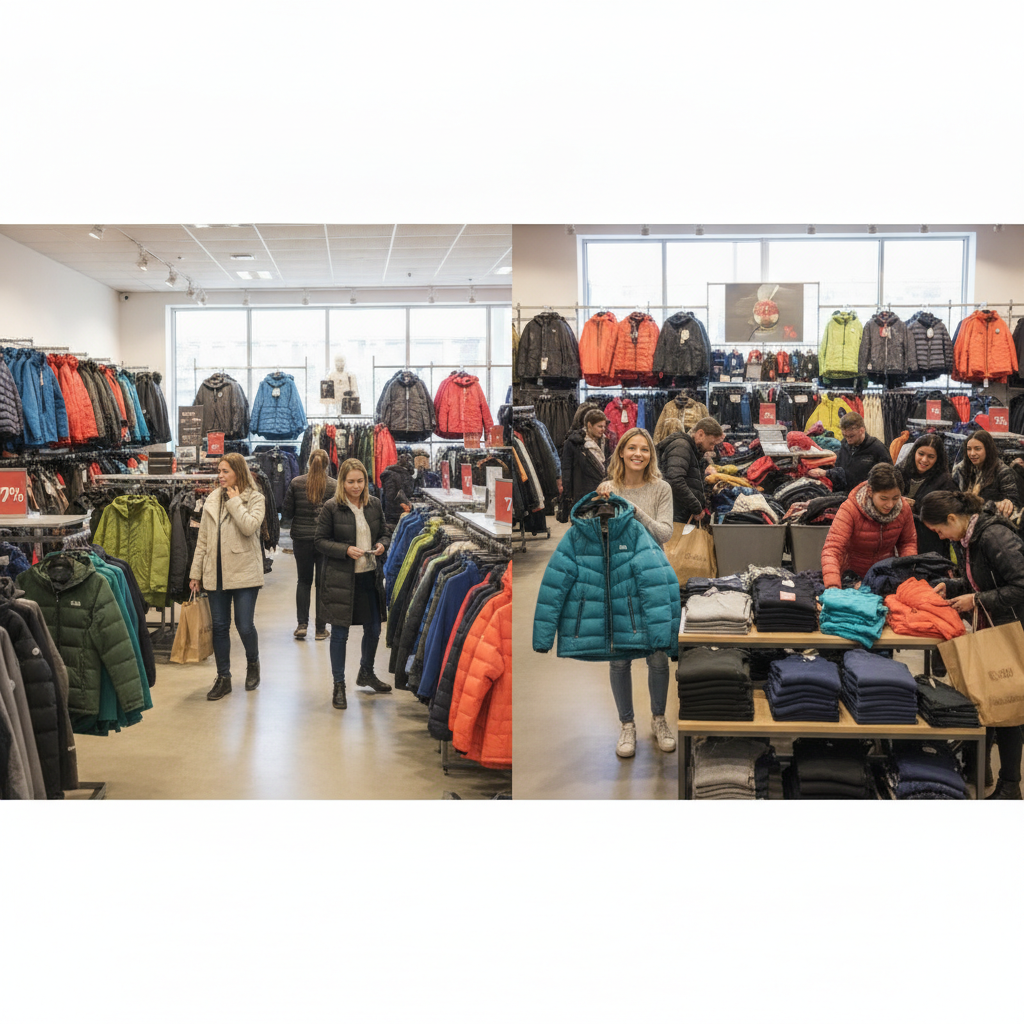
Timing a seasonal purchase correctly is one of those skills that sounds simple but rarely feels simple when you're standing in a store aisle in late February, staring at a rack of coats marked thirty percent off and wondering whether something better is coming. The tension is real. Buy now and you might feel like you jumped too soon. Wait too long and the sizes and colors you actually want could be gone. Understanding what each window in the retail calendar actually delivers — and what it costs you — makes that decision a lot easier.
The Late-February Markdown Window Explained
What Retailers Are Actually Doing With Price at This Stage
By the final week of February, most major retailers have already cycled through their first and second markdown rounds on winter inventory. Stores like Nordstrom and L.L.Bean are actively clearing floor space for spring arrivals, which means winter stock has to move — and the discounts at this point are genuine, not cosmetic. You're typically looking at reductions that reflect real pressure to sell through, not the soft promotional discounts you'd see in November. The selection at this stage is still reasonably broad, especially in outerwear and layering pieces, but it's beginning to thin at the edges.
What You Can Realistically Expect to Find
In late February, you can still find a solid range of sizes in core categories — heavier coats, insulated vests, wool sweaters, and thermal base layers tend to hold inventory longest because they're the most expensive to buy at full price and shoppers tend to wait. Accessories like hats, gloves, and scarves, however, move faster and are often the first casualties of the clearance cycle. If those are on your list, late February is genuinely close to your last reasonable window before the pickings get sparse.
What End-of-Season Clearance Actually Looks Like in March and April
The Discounts Go Deeper, But the Selection Thins Fast
March clearance — and certainly anything bleeding into April — tends to offer the steepest discounts you'll see all year on winter clothing. Apps like Honey and browser extensions that track price history will confirm this pattern clearly: the lowest recorded price on a given winter item often hits in mid-to-late March, sometimes even into early April for slower-moving categories. The tradeoff is that by this point, inventory has been picked through for weeks. You might find a stunning deal on a coat that comes in a single color and only in extra-small and extra-large. That's the clearance gamble.
The Psychological Cost of Waiting That Nobody Talks About
There's a less-discussed dimension to waiting for the deepest discount: by March, you've already spent most of the winter without the item you wanted. If the coat you're eyeing is something you'd have worn from November through February, holding out until March means you're buying it almost purely for next year. That reframe matters. You're not saving money on a purchase you needed — you're making a future investment. For genuinely utilitarian cold-weather gear, like a heavy parka for winter travel or a reliable insulated layer you'll use frequently, the math on waiting tilts differently than it does for something more trend-driven.
How to Use Price-Tracking Tools to Anchor Your Timing
Letting Data Replace Guesswork
The guesswork around seasonal pricing largely disappears once you start using price history tools. The Camelizer, which tracks pricing on Amazon products over time, is particularly useful for winter gear sold through that platform, giving you a clear visual of where a price sits relative to its historical low. CamelCamelCamel serves the same function with a slightly different interface and longer historical data in some categories. Running a quick check on any item you're considering takes about ninety seconds and tells you whether today's price is genuinely discounted or whether the retailer has just applied a modest markdown to a price that was already inflated.
Setting Alerts So You're Not Checking Manually
One of the smarter ways to handle the late-February versus March decision is to use alert features rather than checking prices obsessively. Both Honey and Google Shopping allow you to set price drop notifications on specific items, so you're not spending mental energy monitoring — you're just waiting to be told when conditions shift. Set your threshold at a price you'd feel genuinely satisfied paying, and let the alert do the work. This removes the emotional pressure of wondering whether to buy today or hold out a few more weeks.
The Case for Buying in Late February Rather Than Waiting
When Earlier Is the Smarter Move
For anyone planning winter travel — whether that's a ski trip, a cold-weather city break, or anything requiring specific technical outerwear — buying in late February rather than waiting for March clearance is almost always the right call. You get a meaningful discount, you get the size and style you want, and you have the gear available before your trip. The same logic applies to anyone in a climate that stays cold well into March and April; the remaining weeks of wearability represent genuine value that a slightly deeper discount in six weeks won't recover.
Waiting makes more sense when you're shopping purely for next season with no immediate need, when you're flexible on color and size, and when you have the patience to check inventory regularly rather than risk finding nothing useful. For planned purchases with specific requirements, though, the selection risk in late March typically outweighs the additional savings.
What to Watch as Retail Pricing Patterns Continue to Shift
The traditional clearance calendar has been compressing in recent years as retailers get more aggressive with early markdown timing and lean more heavily on dynamic pricing models. What used to be a fairly predictable four-week clearance window has in some cases collapsed into two or three weeks of meaningful availability before stock simply gets liquidated or pulled from shelves entirely. The rise of real-time inventory management and demand forecasting tools at major chains means that the window between "good selection at a solid discount" and "slim pickings at maximum discount" is narrowing. Keeping an eye on when your preferred retailers start their first winter markdowns each year — and using that as a reference point for late-February timing — gives you a reliable framework to work from as the patterns continue to evolve.