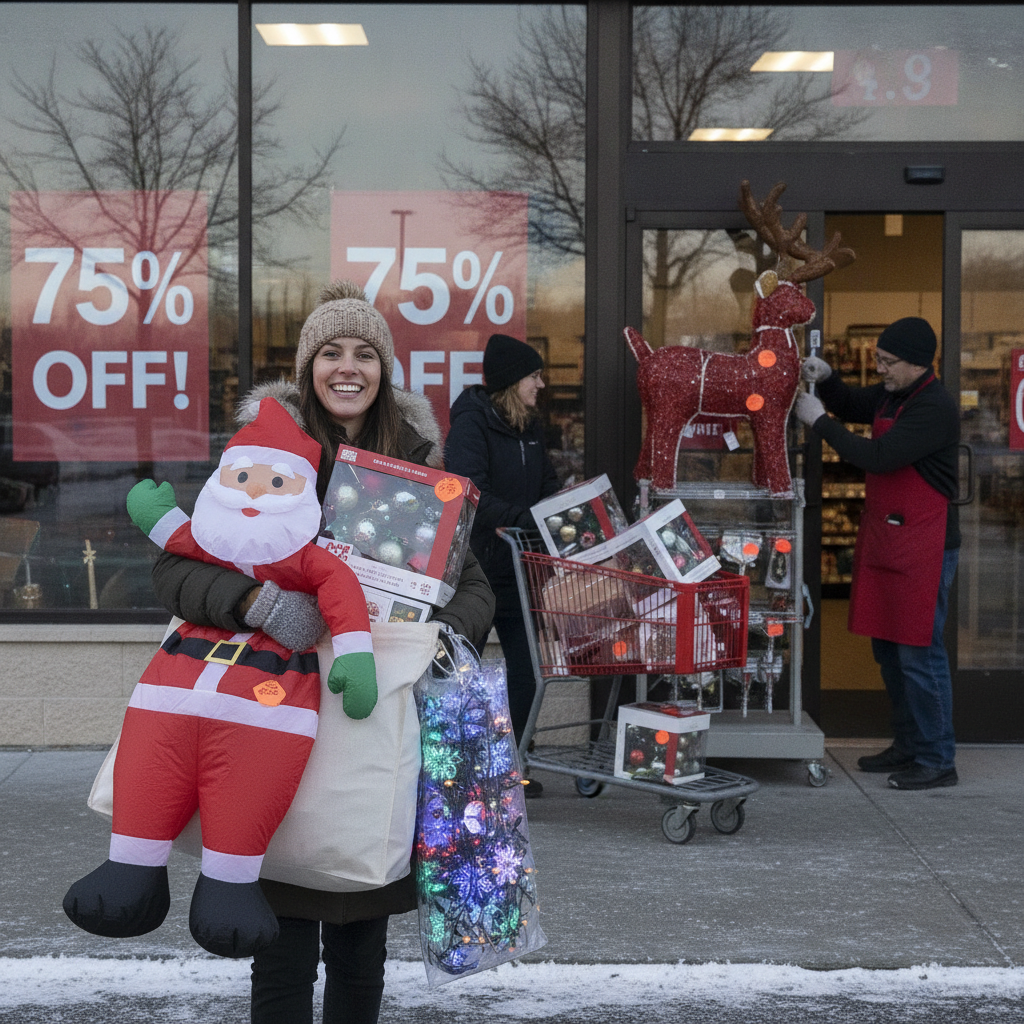
Most shoppers treat the weeks leading up to a holiday as the prime window for décor deals — and they end up paying far more than they need to. Pre-season sales feel compelling, but the real markdowns come after the celebration ends, when retailers are left holding inventory they have no room to store. If you've ever walked into a store on December 26th and seen entire aisles slashed to half price, you already know the basic principle. The strategy runs deeper than that, though, and knowing how to work it across multiple holidays can quietly transform how much you spend year over year.
The Window That Most Shoppers Overlook
Why Post-Holiday Timing Is So Powerful
Retailers plan their inventory months in advance, ordering stock based on projected seasonal demand. When December 25th passes, they're often sitting on enormous quantities of unsold ornaments, wreaths, table runners, and string lights — all of which take up valuable floor space that needs to be cleared for Valentine's Day merchandise within weeks. That pressure is what creates the deep discounts. Items that sold at full price in November may drop to a fraction of their cost by the first week of January, and the clearance often deepens the longer it sits.
You're not buying things you don't want — you're buying things you absolutely would have purchased anyway, just at a drastically reduced price for next year.
Thinking One Year Ahead Without Overthinking It
Planning Around the Calendar You Already Know
The key mental shift is thinking about your home décor the same way frequent travelers think about flights — booking or buying well ahead of when you actually need it. The holidays repeat every year without exception, which means everything you buy in late January for Christmas, or in mid-November for Thanksgiving, will absolutely be useful again. You don't need to reimagine your entire décor style or buy in bulk to make this work. Even picking up a few quality pieces during post-season clearance, year after year, builds out a collection that would have cost significantly more if purchased during peak weeks.
Apps like Flipp and Honey are useful here. Flipp aggregates weekly store circulars in one place, so you can see at a glance which retailers are running the steepest post-season markdowns without driving around town.
Where the Deepest Discounts Actually Appear
Reading Retail Cycles Accurately
Not every post-holiday discount is created equal. The first day or two after a major holiday often sees modest markdowns — think 30 to 40 percent. As the days pass and the clearance merchandise isn't moving, stores push deeper. By the time you're one to two weeks out from a holiday, it's common to see markdowns in the 50 to 75 percent range on items that haven't sold. Department stores like Target and HomeGoods are particularly aggressive with these clearance cycles because their inventory turnaround is tightly scheduled.
Shopping at that two-week mark, rather than the day after, often means better selection than you'd expect while still capturing the steepest pricing. Most casual shoppers assume the shelves will be picked clean, but plenty of quality pieces remain — especially larger items or those in classic styles rather than trend-driven ones.
Using Apps and Price Tracking to Time It Right
Letting Technology Do the Watching for You
One of the most underrated tools for post-seasonal shopping is the Rakuten cashback platform. Pairing post-holiday clearance pricing with active cashback offers on top of in-store discounts stacks your savings in a way that pre-season sales simply can't match. Many retailers also push additional coupon codes during clearance weeks to move inventory faster, and browser extensions that aggregate those codes automatically mean you're rarely leaving money on the table.
Setting price drop alerts through apps like Camelcamelcamel — typically used for Amazon products — can help you track whether a holiday item in your cart is continuing to drop or has plateaued. That kind of visibility turns a passive shopping approach into a deliberate one.
The Categories That Reward This Strategy Most
Where to Focus Your Post-Season Attention
Not all seasonal décor is equally worth buying on clearance. Items with long shelf lives and classic styling are your best targets — think solid-color string lights, neutral-toned wreaths, quality glass ornaments in timeless colors, and linen-textured table linens. These pieces don't date themselves the way trend-forward items do, and they store easily. Specialty or novelty items — the ones that feel very tied to a specific aesthetic trend — are riskier because your taste may shift before you use them again.
Candles and home fragrance items in seasonal scents are also excellent post-holiday buys. They're often marked down aggressively, store well when sealed properly, and make thoughtful gifts throughout the year.
Building a Simple System So You Actually Follow Through
Making This a Habit That Runs on Its Own
The biggest reason this strategy fails for most people isn't a lack of access to deals — it's a lack of a simple system to follow through. After the holiday excitement fades, shopping for next year feels like a low priority. One practical approach is to keep a brief notes list on your phone of what you wished you had more of during the just-passed holiday season. That list, reviewed during the post-season clearance window, turns a vague intention into a focused shopping trip with clear goals.
Dedicating a single storage bin per holiday to your clearance finds makes the system self-managing. When next year's season rolls around, everything is already in one place and ready to use — no last-minute scrambling, no full-price purchases made under pressure.
The post-holiday window is one of those genuinely rewarding opportunities in everyday shopping, where patience pays off better than urgency ever does. If you haven't built this habit yet, the next major holiday clearance is closer than you think — and starting with just one or two intentional purchases is all it takes to begin.