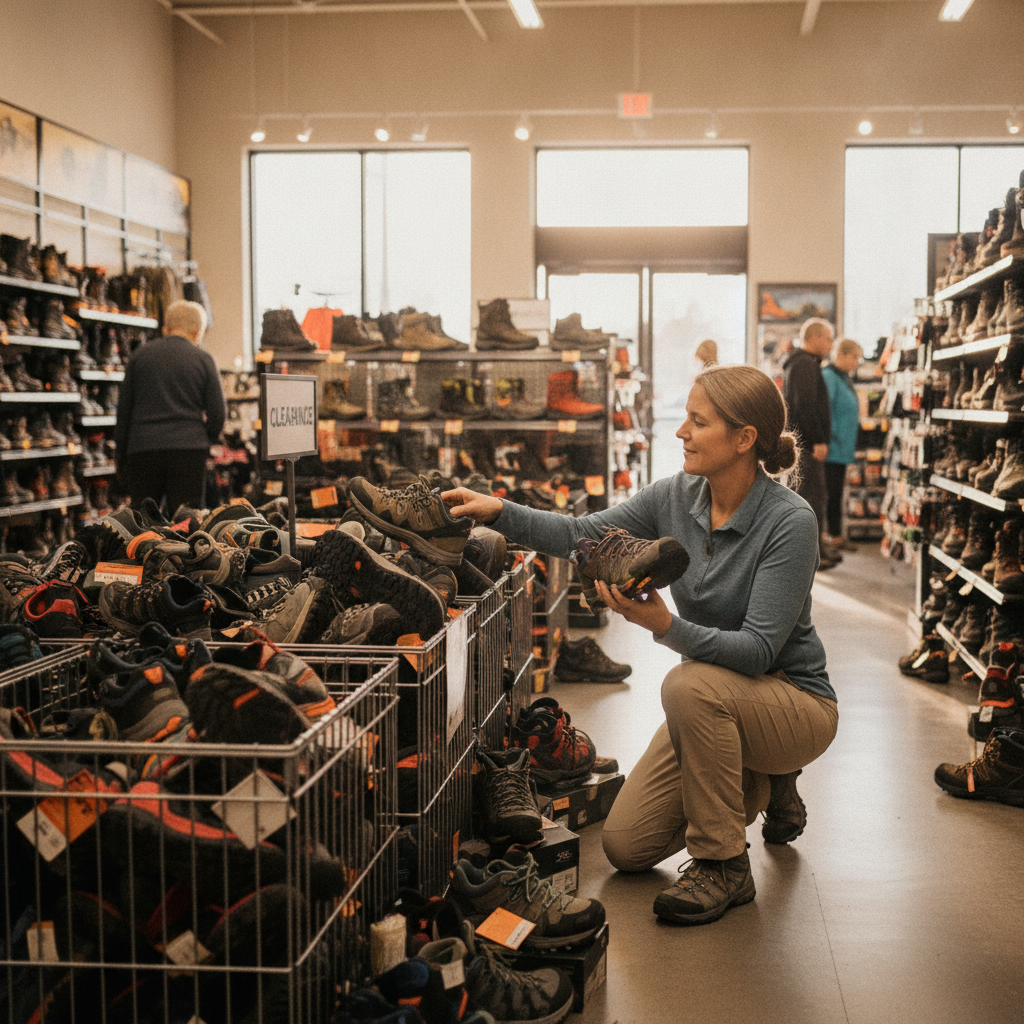
Retail timing matters far more than most outdoor enthusiasts realize, and nowhere is that more apparent than in the footwear aisle of your favorite gear shop. The conventional approach — grabbing a pair of hiking sandals or trail runners a week before a summer trip — almost always means paying full price for whatever happens to be left in stock. Shopping in March, by contrast, puts you at a genuinely advantageous moment in the retail cycle, one that rewards patience with better options and meaningfully lower prices.
The Retail Calendar Nobody Talks About
Outdoor footwear follows a predictable seasonal rhythm. Brands release new hiking sandal and trail shoe models in late spring, which means retailers need to move previous-season inventory by late winter to make shelf and warehouse space. March sits right in that clearance window — recent enough that the selection is still wide, early enough that most shoppers haven't caught on. By June, the clearance racks are mostly bare, and new-season product is selling at full retail. The window between those two moments is where real value lives.
Why Selection Is Actually Better in March
Counter to what you might expect, the breadth of available styles, sizes, and colorways is typically stronger in March than at peak summer. When a retailer is trying to clear inventory, they're pulling from full-size runs across multiple models — not just whatever overstock they couldn't shift. You're far more likely to find a Keen Newport H2 in your actual size, or a Salomon Speedcross in a width that actually fits, than you would in late May when demand has spiked and shelves are restocked only with hero items. Early clearance means you're shopping before other budget-conscious buyers have worked through the selection.
The Mid-Season Inventory Advantage
Retailers like REI and Backcountry typically run structured clearance rotations tied to the arrival of new spring shipments. When new product lands in their distribution centers — usually in late February and early March — older models get marked down to accelerate turnover. This is different from an end-of-season blowout, where you're picking through whatever nobody else wanted. March clearance is more curated, and the pricing reflects a retailer's urgency to move product rather than a product's inherent flaws.
How Prices Compare Across the Year
Full-price hiking sandals from brands like Teva or Chaco can sit in the $90–$130 range at peak season. Trail shoes from mid-tier and technical brands tend to run $110–$160 at summer launch. March clearance pricing on prior-season models typically falls well below those figures — often 30 to 50 percent off — without any meaningful loss in quality or performance. The previous season's technology in outdoor footwear is rarely obsolete; the difference between a model from one year ago and one released this spring is usually minor. You're buying function, not fashion.
Using Apps to Track the Right Moment
A few tools make this timing strategy more precise. Google Shopping lets you compare prices across retailers in real time and set alerts when specific items drop. The Camelcamelcamel extension, typically used for Amazon, helps you see historical price patterns on gear listed there, so you can confirm whether a March discount is genuinely below baseline or just repositioned from an inflated anchor price. The REI app flags member-exclusive sales and clearance events that don't always surface on the main website — worth checking regularly through February and March if you're actively hunting. Setting up a saved search on Backcountry for specific shoe categories will push notifications as items get marked down, so you're not manually checking every few days.
What to Prioritize When You Shop Early
Buying in March gives you something summer shoppers almost never get: time for a proper fit process. Trail footwear fit is specific — toe box width, heel cup depth, and arch support all matter more on a long day hike than in a store aisle. When you're not rushing to gear up before a trip that leaves in ten days, you can try multiple models, walk around the store for a real session, and order a second size to compare at home if you're buying online. This patience typically results in footwear that actually works for you, not just footwear that was available.
Pairing Sandals and Shoes Together
March pricing also makes it practical to buy both a trail shoe and a hiking sandal in the same shopping pass — something most people put off because the combined full-season cost feels steep. With both categories on clearance simultaneously, building a complete warm-weather footwear kit for a summer trip through a place like the Colorado Rockies or the Pacific Coast Trail becomes significantly more manageable. You're not choosing between options; you're stocking both.
Making the Strategy Work Each Year
As outdoor retail continues shifting toward earlier seasonal launches and tighter inventory management, the March clearance window may gradually compress. Brands are increasingly pushing new-season product out sooner, which could eventually pull clearance timing into February. Watching how retailers like REI, Backcountry, and local outdoor specialty shops structure their transitions in the coming seasons will tell you a lot about when to act. For now, mid-to-late March remains the sweet spot — enough selection to find what you actually need, and enough pricing pressure on retailers to make the numbers genuinely worthwhile. If summer hiking is already on your mind, the smartest move is to start browsing now.